What Is Structural Pruning? How It Helps Prevent Future Tree Problems

A tree may look healthy on the outside while developing structural weaknesses that become more difficult to address as it grows. Competing stems, weak branch attachments, and crowded branches can affect how a tree develops over time.

Structural pruning is a selective tree-care practice that helps guide a tree’s growth toward a suitable, well-developed branch structure. By addressing certain structural concerns early, property owners can help reduce the need for extensive corrective pruning later.

Understanding how structural pruning works can help homeowners recognize potential problems and make informed decisions about long-term tree care.

What Is Structural Pruning?

Structural pruning involves selectively removing or reducing branches to influence how a tree’s trunk and branches develop. Unlike routine trimming, which may focus on appearance, clearance, or removing dead branches, structural pruning focuses on the arrangement and development of the tree’s framework.

Depending on the species and existing structure, this may involve:

  • Encouraging a dominant central leader in species that naturally develop one.
  • Managing competing leaders that may form weak unions.
  • Improving branch spacing and reducing conflicts between branches.
  • Addressing selected branches with potentially weak attachments.
  • Maintaining a suitable framework while preserving the tree’s natural shape.

Structural pruning is especially useful during a tree’s early development, when smaller branches can often be managed with less extensive cuts. However, not every tree needs a central leader, and the appropriate approach depends on its natural growth habit.
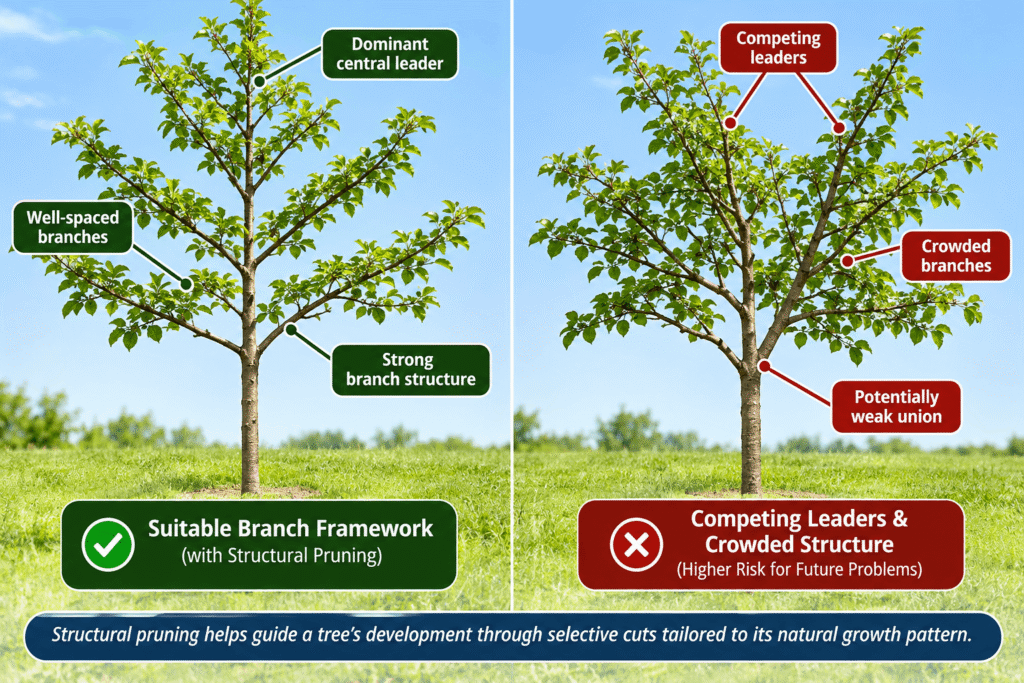
Tree Structure Comparison Infographic

Common Structural Problems in Trees

Structural concerns can develop gradually as branches grow and compete for space. Recognizing these patterns can help property owners understand when professional assessment may be appropriate.

1. Competing Leaders

A leader is the main upright stem that forms a tree’s primary axis of growth. In species that naturally develop a central leader, two or more similarly dominant stems may compete for that role.

Closely attached competing stems can form unions that are more vulnerable to splitting under certain conditions. Selective pruning may help establish a more suitable leader while the tree is young.

2. Included Bark

Included bark develops when bark becomes trapped between adjoining stems or branches. This can prevent a strong wood connection from forming and may increase the potential for the union to split.

Not every narrow branch union contains included bark, so assessment should consider the actual attachment and the tree’s overall condition.

3. Weak Branch Attachments

Some branches have attachments affected by included bark, damage, or unfavorable growth patterns. As branches become larger and heavier, these concerns may become more consequential.

An arborist can assess whether selective removal, branch reduction, or monitoring is appropriate.

4. Poorly Spaced or Overcrowded Branches

Branches that grow too close together may cross, rub against one another, or compete for growing space. Selective pruning can help manage these conflicts while retaining branches that contribute to the tree’s development.

Why early assessment matters: Some structural concerns are easier to manage while branches are small. As trees mature, corrective work may involve larger cuts, and certain established defects cannot be fully corrected through pruning alone.
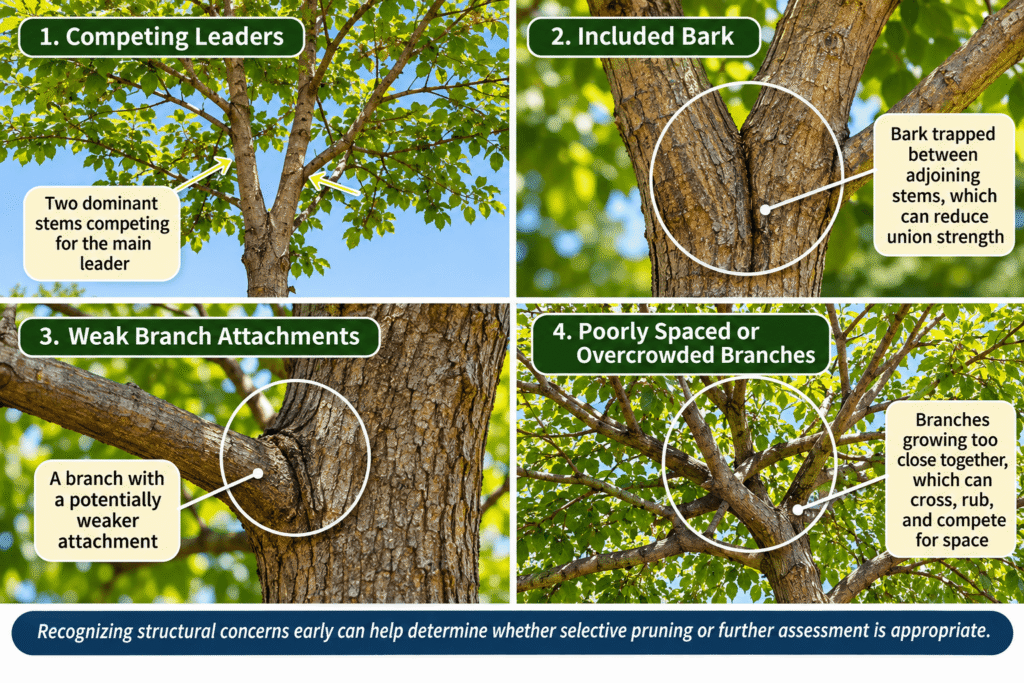
Tree Structure Problems Explained

How Structural Pruning Helps Prevent Future Tree Problems

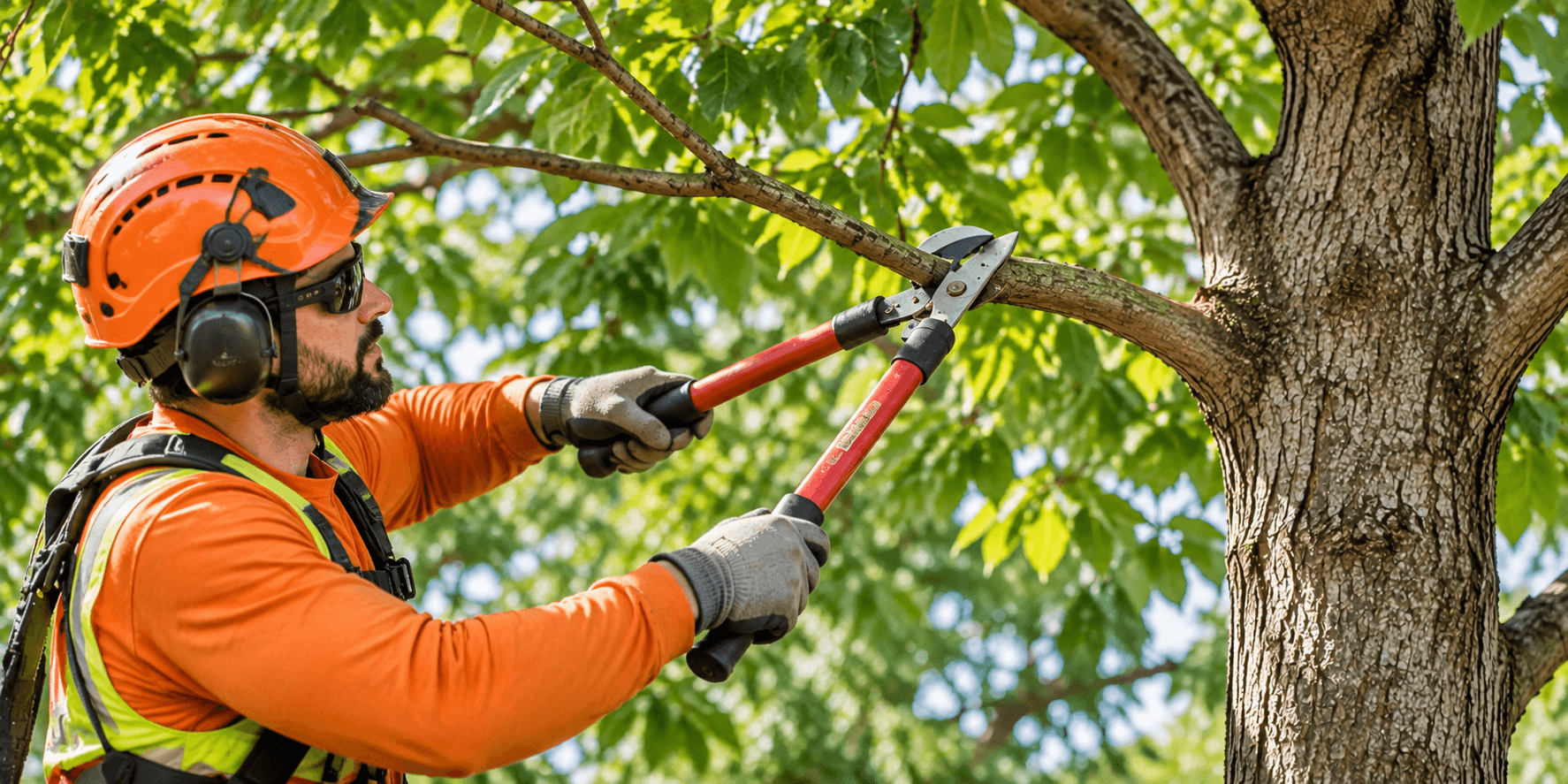
Structural pruning guides tree development through carefully selected cuts. The objective is not to remove as much growth as possible, but to address specific concerns while preserving appropriate branches and the tree’s natural form.

Encouraging a Suitable Central Leader

For species that naturally develop a central leader, selective pruning can help maintain one dominant upright stem. Managing a competing stem early may reduce the likelihood of developing large, closely attached leaders.

Improving Branch Spacing

Selective pruning can help manage branches that compete for the same space or create an overcrowded framework. The goal is to maintain a suitable distribution of branches rather than create an artificially symmetrical canopy.

Managing Potentially Weak Attachments

When an arborist identifies a concerning branch attachment, selective pruning may help manage the issue. Depending on the situation, this may involve removing a smaller competing stem, reducing a branch to an appropriate lateral branch, or monitoring the attachment.

Not every structural defect can be corrected through pruning, particularly when large stems or established weaknesses are involved.

Reducing the Need for Extensive Corrective Cuts

Early pruning can address selected concerns before branches become substantially larger. Smaller, properly placed cuts are generally easier for a tree to compartmentalize than large cuts, although outcomes depend on the species, tree health, and quality of the work.

Structural pruning cannot eliminate every risk of branch failure. Its value lies in guiding development and managing identifiable concerns over time.
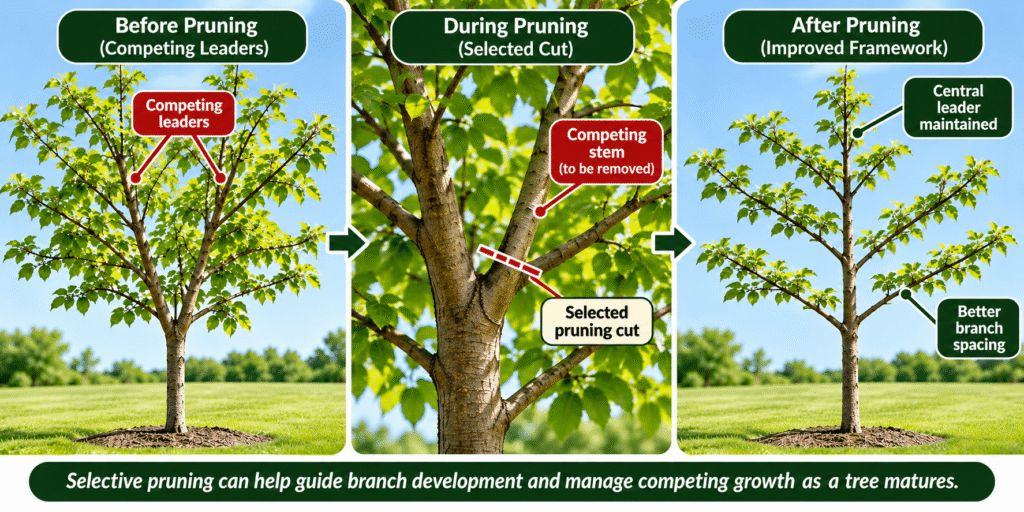
When Should a Tree Be Structurally Pruned?

Structural pruning is often most beneficial while a tree is young, but the appropriate timing depends on its species, condition, growth rate, and structural needs.

Young Trees

Young trees offer an opportunity to guide branch development before structural concerns become more difficult to manage. Selective pruning may help establish an appropriate leader, improve spacing, and address competing growth while branches are small.

Developing Trees

As trees grow, periodic assessments can identify emerging problems, including competing leaders and crowded branches. Pruning should focus on the most important structural priorities while retaining sufficient foliage for healthy growth.

Mature Trees

Mature trees can benefit from selective structural management, but established concerns may be more complicated to address. Large corrective cuts can create substantial wounds or alter the tree’s structure, so professional assessment is especially important.

Does the Time of Year Matter?

Pruning timing depends on the species, the purpose of the work, and the tree’s condition. Some structural pruning can be performed during dormancy, while other circumstances may call for a different time. Dead, damaged, or hazardous branches may require prompt attention regardless of the usual pruning season.
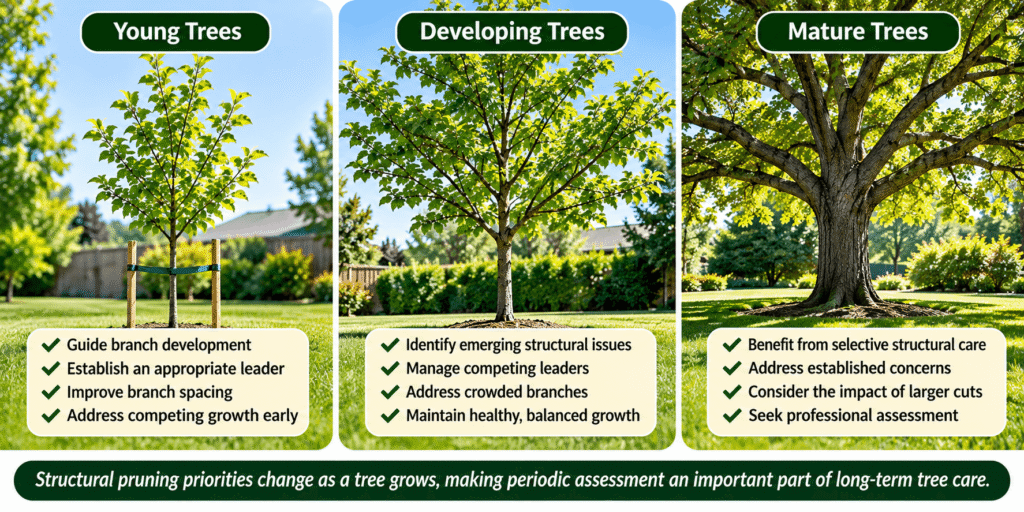
Tree Growth and Pruning Guide

Can Structural Pruning Be Done on Mature Trees?

Yes. Mature trees may benefit from structural pruning, although the available options can be more limited than they are for young trees.

As branches and stems become larger, correcting a structural concern may require substantial cuts. An arborist may recommend selectively reducing a branch, managing a competing stem, monitoring an attachment, or considering another risk-management approach.

The best option depends on the tree’s species, condition, branch size, and the nature of the concern. Some established defects cannot be fully corrected through pruning.

The goal is to manage identifiable structural concerns while preserving appropriate branches and the tree’s natural form, rather than making extensive cuts simply to reshape the canopy.

When to Call a Professional Arborist

Consider contacting a qualified arborist if you notice:

  • Two large stems growing closely together from the same point.
  • Visible cracks or splitting around a major branch union.
  • Persistent branch rubbing or damaged bark.
  • Large branches with signs of damage or potentially weak attachments.
  • Hanging limbs, broken branches, or sudden changes in the tree’s structure.

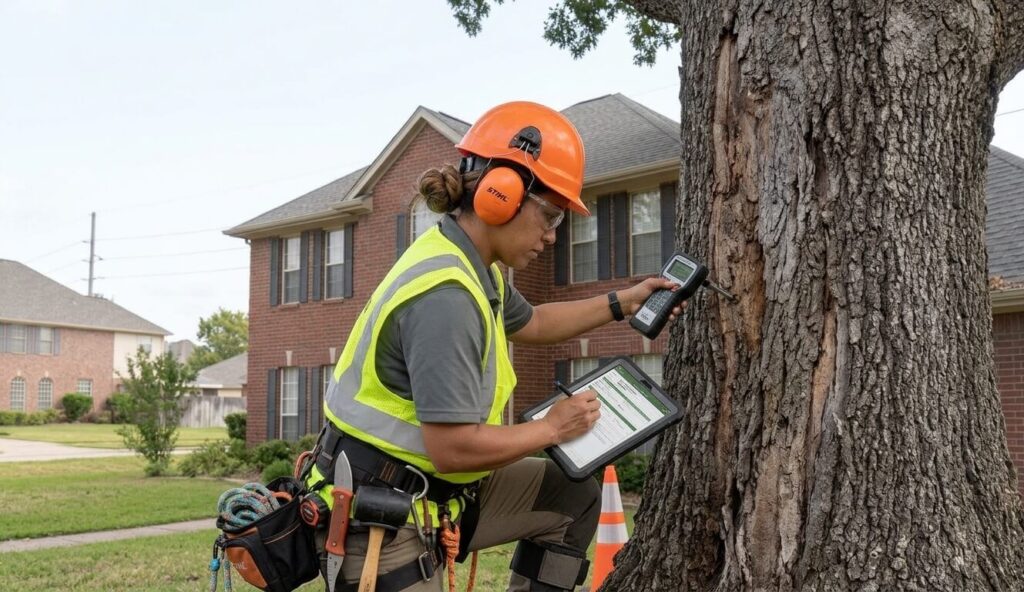
These signs do not all indicate the same level of risk. A professional can assess the tree’s condition, branch attachments, and surroundings before recommending an appropriate course of action.

If a tree has a major crack, a hanging limb, or signs of recent structural failure, keep people away from the affected area and arrange a prompt assessment. Avoid climbing the tree or attempting to remove large branches yourself.

Structural Pruning for Trees in Contra Costa County

Trees throughout Contra Costa County provide shade, privacy, and character to residential and commercial properties. From newly planted landscape trees to established shade trees, appropriate structural care can help support long-term development.

Local growing conditions, tree species, available space, and exposure to wind can influence how trees develop. Trees near homes, driveways, and walkways may also require different management considerations from those growing in open landscapes.

Homeowners in Walnut Creek, Lafayette, Danville, Alamo, San Ramon, and Pleasant Hill can benefit from periodic tree assessments that identify developing concerns and help guide maintenance decisions.

The appropriate pruning approach depends on the individual tree, including its species, health, structure, and surroundings. Young trees may benefit from early structural guidance, while mature trees may require selective management of established concerns.

JC Tree Service helps homeowners and property managers understand their tree-care needs and determine when professional pruning or further assessment may be beneficial.

Protect Your Trees With Professional Pruning

Structural pruning is an important part of long-term tree care. By addressing selected structural concerns while branches are still relatively small, property owners can help guide tree development and reduce the need for some extensive corrective work later.

Whether you have a newly planted landscape tree or an established shade tree with competing stems or crowded branches, understanding its structure is an important first step.

JC Tree Service helps homeowners and property managers throughout Contra Costa County assess their tree-care needs and determine when professional pruning may be beneficial.

Have questions about your trees? Contact JC Tree Service to discuss your tree’s condition and explore appropriate care for your property.

Frequently Asked Questions

Structural pruning guides a tree’s branch development to establish a suitable framework. It can help manage competing leaders, improve branch spacing, and address certain structural concerns.

Structural pruning often begins when a young tree has developed enough growth for its branch structure to be assessed. Timing depends on the species, condition, and developing structure.

Structural pruning focuses on developing or maintaining a tree’s branch framework. Routine trimming may address clearance, appearance, dead branches, or general maintenance needs.

Competing leaders are two or more stems growing upward with similar dominance. In species that naturally develop a central leader, these stems may form a potentially weak union.

Yes. Included bark can weaken the connection between adjoining stems and increase the potential for splitting. The actual risk depends on the union’s structure and other factors.

Yes. Mature trees may benefit from selective structural management, but established defects and large stems require careful assessment before corrective work is recommended.

There is no universal schedule. Young trees should be assessed periodically as they grow, with pruning performed when specific structural needs are identified.
What to Do If You receive a non-renewal letter or notice from your Home Insurance Because of a Tree on Your Property

Steps Homeowners Can Take When an Insurer Raises Concerns About a Tree

Receiving a non-renewal notice or letter from your homeowners insurance company saying your policy will not be renewed can be stressful. It can be even more confusing when the reason involves a tree on your property.

You may immediately wonder: Does the tree have to be removed? Can pruning solve the problem? Can I challenge the non-renewal? What should I do next?

The answer depends on why the insurance company considers the tree a risk, what corrective action it is requesting, and whether that work can be safely and legally carried out. Factors such as the tree’s current health, species, protected or heritage status, and local municipal tree-preservation regulations may affect what work is permitted. In some cases, an insurer’s requested pruning may conflict with local requirements or even compromise the tree’s health and structural integrity.

A non-renewal notice does not necessarily mean that the entire tree must be removed. In some situations, the insurer may be concerned about a specific condition that could potentially be addressed through appropriate tree care.

The first step is to understand exactly what the insurance company is concerned about, then determine what documentation or corrective action may address that concern.

Important: Insurance requirements and homeowner rights vary by policy and location. This article provides general information for homeowners and is not legal or insurance advice. If you have questions about your specific policy or non-renewal notice, contact your insurance company, licensed insurance professional, or the California Department of Insurance.

Why Would a Home Insurance Company Be Concerned About a Tree?

Insurance companies evaluate potential risks associated with a property. A tree may attract attention if it appears to present a potential hazard to the insured home or other property.

Examples may include:

  • A dead or significantly declining tree
  • Large dead or damaged branches
  • Visible trunk decay or structural defects
  • A tree leaning toward a home or other structure
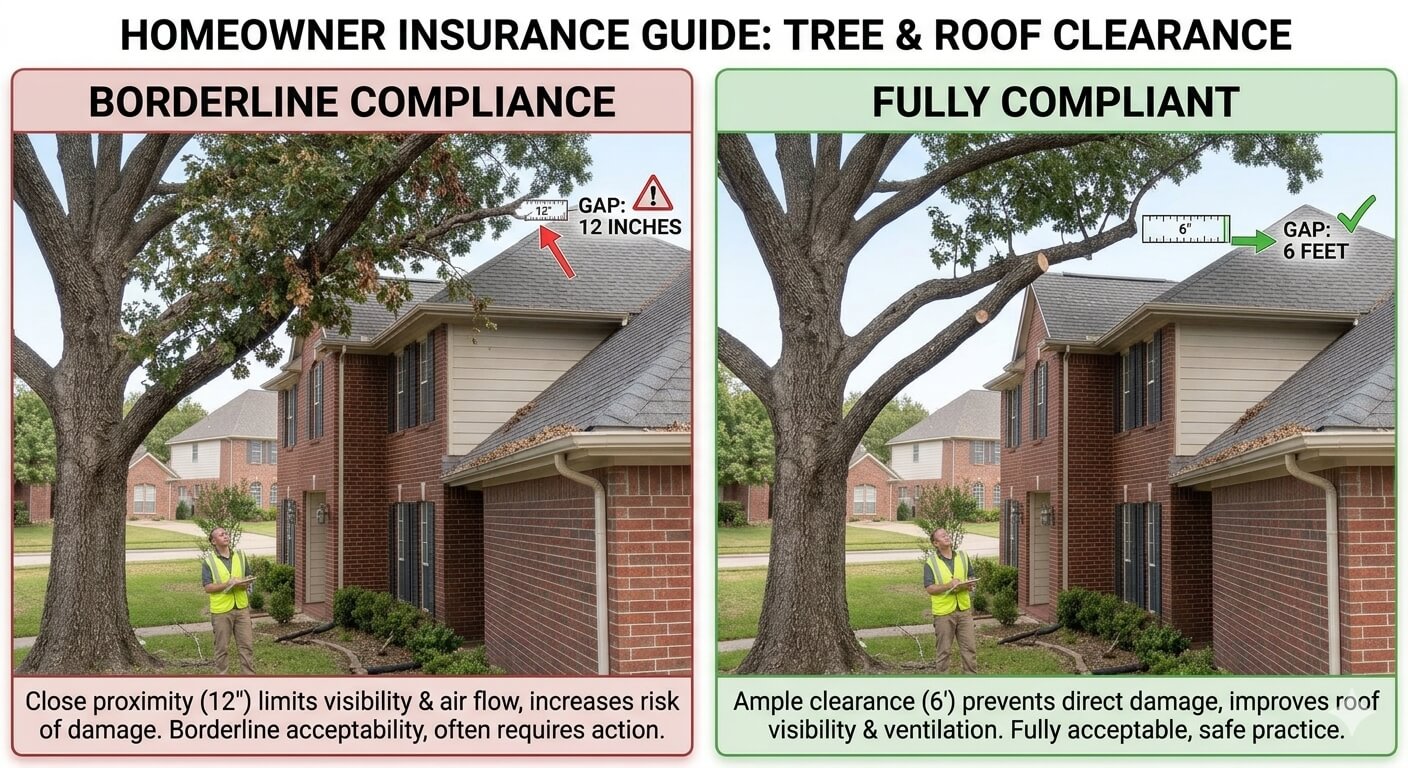
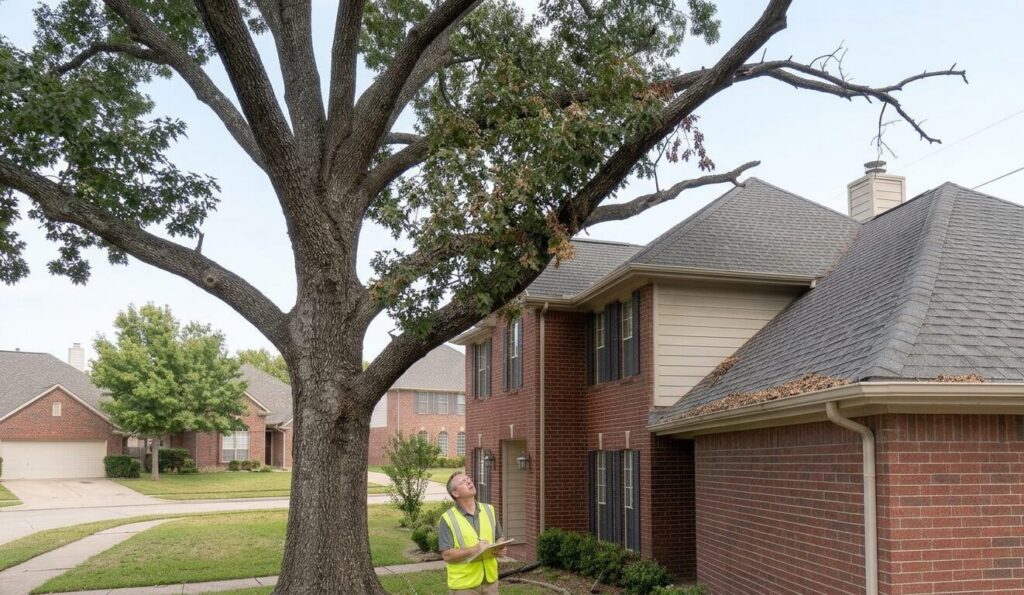
  • Branches extending over a roof
  • Gutter’s filled with dry foliage (fire risk)
  • A tree close to a house, garage, or other structure
  • Damage caused by storms or previous tree failure
  • Conditions that may increase the potential for property damage

The presence of a large tree alone does not necessarily mean it is hazardous.

The important question is: what specific condition of the tree caused the insurance company to raise concerns?

That is the information you need before deciding whether pruning, removal, or another corrective measure is appropriate.

Overhanging Dead Branches Above The Roof

1. Read the Non-Renewal Notice Carefully

Start with the letter or notice from your insurance company.

Look for the stated reason for non-renewal, the effective date, and any instructions the insurer has provided.

In California, the Department of Insurance says a written residential non-renewal notice generally must be provided at least 75 days before the policy’s expiration date, and the notice must include the reason for the non-renewal.

Check whether the notice specifically identifies:

  • A particular tree
  • A tree’s location
  • A condition or hazard
  • Required corrective action
  • A deadline
  • Documentation the insurer wants
  • Instructions for contacting the insurer

Don’t assume that a general statement such as “tree hazard” means the entire tree must be removed.

If the notice is unclear, contact the insurance company and ask for clarification.

2. Ask the Insurance Company What Specifically Needs to Be Addressed

Before paying to remove a large tree, find out what the insurer is actually asking you to correct.

You can ask questions such as:

What specific condition of the tree is causing the concern?

Is the insurer requiring removal, or would corrective tree work address the concern?

What documentation would the company accept after the work is completed?

Can the policy be reconsidered if the identified hazard is addressed?

The California Department of Insurance specifically advises homeowners who receive a non-renewal notice to contact their insurer and ask whether there are specific actions they can take to mitigate the risk and retain coverage.

Getting these answers in writing can also help you understand exactly what needs to be addressed.

3. Have the Tree Inspected by a Qualified Tree Professional

If the insurer has raised concerns about a tree, consider having the tree professionally evaluated before deciding what work to perform.

A tree professional can assess visible conditions such as:

  • Dead or damaged branches
  • Structural defects
  • Trunk condition
  • Decay indicators
  • Branch attachments
  • Lean
  • Tree location and surrounding targets
  • Clearance from structures
  • General tree condition

Depending on the situation, a professional tree assessment may help document whether the tree requires pruning, additional evaluation, or removal.

This can be particularly useful if you believe the insurance company’s initial assessment does not fully reflect the tree’s actual condition.

However, a tree service cannot guarantee that an insurance company will accept its recommendation or reverse a non-renewal.

The purpose of the assessment is to provide useful information and documentation that you can discuss with your insurer.

4. Address the Specific Tree Problem

Once the tree has been evaluated, the recommended solution should be based on its actual condition as assessed by a qualified tree professional.

Depending on the circumstances, appropriate tree care may include:

  • Removing dead or damaged branches
  • Structural pruning
  • Crown reduction
  • Crown thinning
  • Clearance pruning
  • Removing a hazardous limb
  • Cabling or bracing where appropriate
  • Complete tree removal

Not every tree problem requires removing the entire tree.

For example, if the concern is a specific dead or damaged limb over a structure, removing that limb may address the identified problem. In other circumstances, the tree may have significant structural defects that make removal the more appropriate recommendation.

However, homeowners should also understand that some work requested by an insurance company could negatively affect a tree’s long-term health, structure, or stability if it is not appropriate for that particular tree. This is why it is important to have a qualified tree professional assess the situation, explain the potential benefits and drawbacks of the requested work, and recommend an appropriate course of action.

Homeowners should avoid agreeing to significant pruning or removal simply because it has been requested by their insurance company without first understanding what the work involves and how it may affect the tree.

The goal should be to address the actual risk identified, not simply make the tree smaller.

This is also why practices such as tree topping should not be treated as a general solution to insurance concerns. Removing large portions of a tree’s canopy does not automatically make a structurally defective tree safe and may create additional problems.

5. Keep Documentation of the Tree Work

If you decide to have tree work performed, keep records of what was done.

Useful documentation may include:

  • The tree inspection or assessment
  • Written recommendations
  • Before-and-after photographs
  • The tree service estimate
  • The final invoice
  • A description of completed work
  • Documentation showing removal, if the tree was removed
  • Any correspondence with your insurance company

Ask the tree service to clearly describe the work performed on the invoice.

For example, “tree service completed” provides much less useful information than a description identifying the tree and the work performed.

Good documentation can help you explain to the insurance company how the identified concern was addressed.

6. Ask the Insurance Company to Reconsider

After the recommended work is completed, contact your insurance company and provide the relevant documentation.

Explain:

  1. What concern the insurer identified
  2. What a tree professional found
  3. What corrective work was recommended
  4. What work was completed
  5. What documentation you are providing


Then ask whether the insurer can reconsider the non-renewal or confirm whether the completed work satisfies its requirements.

There is no guarantee that the company will reverse its decision. Insurance underwriting decisions depend on the insurer’s rules, the policy, the property’s circumstances, and applicable regulations.

But if the insurer has specifically indicated that risk mitigation may allow the policy to continue, documenting the corrective work gives you a concrete basis for that conversation.

What If You Disagree With the Insurance Company's Assessment?

You don’t necessarily have to accept an unclear assessment without asking questions.

If you believe the tree is being incorrectly identified as a hazard, start by asking the insurer to explain the specific condition that led to the non-renewal.

You can then have the tree evaluated independently and provide the insurer with relevant documentation.

The California Department of Insurance also says homeowners who believe a non-renewal was unfair may file a complaint with the Department.

If you decide to pursue that option, review the Department’s current consumer guidance and provide the requested policy documents and correspondence.

Does a Non-Renewal Notice Mean You Have to Remove the Tree?

Not necessarily.

The appropriate response depends on the reason for the non-renewal and the insurer’s requirements.

If the concern involves a specific dead limb, structural issue, or clearance problem, appropriate pruning or other tree care may potentially address the identified condition.

On the other hand, a tree with significant structural problems or other serious hazards may ultimately require removal.

The important thing is to determine why the tree has been identified as a risk before deciding what work should be performed.

Homeowners should also avoid removing a healthy or otherwise manageable tree simply because they assume it is the only option. Ask the insurance company what corrective action it requires and have the tree evaluated by a qualified professional.

Don't Wait Until the Renewal Deadline

If your insurance company has given you a non-renewal date, start addressing the issue as soon as possible.

Waiting until the last few weeks can make the situation more difficult if you need:

  • A tree inspection
  • An arborist or tree professional’s assessment
  • Pruning or removal
  • Additional documentation
  • A follow-up inspection
  • Time for the insurer to review your information
  • A new insurance policy if the non-renewal remains in place

Starting early gives you more time to understand the problem and explore your options.

What If Your Insurance Company Still Won't Renew Your Policy?

If the insurer does not reconsider the non-renewal, you may need to look for another homeowners insurance policy.

The California Department of Insurance recommends shopping the market if you have difficulty obtaining residential insurance. If you cannot obtain coverage through the traditional market after shopping, the California FAIR Plan may be available as a last-resort option.

The FAIR Plan provides more limited coverage than a typical homeowners policy, so homeowners should understand exactly what is and is not covered and discuss their options with a licensed insurance agent or broker. CDI also recommends considering whether additional coverage is needed to address gaps in FAIR Plan coverage.

The insurance issue and the tree issue are therefore related, but they are not necessarily the same problem. Even if you ultimately need a different insurance policy, addressing an actual tree hazard remains important for protecting your home and property.

How JC Tree Service Can Help

If your insurance company has raised concerns about a tree on your property, JC Tree Service can help you understand the tree-care side of the situation.

Our team can evaluate the tree and identify visible concerns that may require attention. Depending on the tree’s condition and location, recommendations may include pruning, structural work, or removal.

If you need documentation of the tree work performed, ask about having the recommended and completed work clearly documented for your records.

JC Tree Service does not determine whether an insurance company must renew a policy, and tree work cannot guarantee that an insurer will reverse a non-renewal. Our role is to help homeowners address legitimate tree-care concerns and understand the work being recommended.

Frequently Asked Questions

Yes, an insurer may consider property conditions when making underwriting decisions. In California, residential non-renewal notices must generally state the reason for the non-renewal and be provided at least 75 days before the policy expiration date.

A non-renewal notice involving a tree does not automatically mean that complete tree removal is the only possible solution. Homeowners can ask the insurance company to explain the specific concern and whether alternative corrective work, such as appropriate pruning, would be acceptable.

If you believe the requested removal is unnecessary or could negatively affect the tree’s long-term health, consider getting an independent assessment from a qualified tree professional. Their evaluation and recommendations may help you explain why a different approach could be more appropriate and provide supporting documentation when asking the insurance company to reconsider its decision.

Ultimately, the insurer determines whether it is willing to continue coverage, but homeowners can seek professional guidance, question its requirements, and explore their options before agreeing to remove a tree.

It can depend on the reason for the non-renewal. If the insurer’s concern involves a condition that can be addressed through appropriate pruning, completing that work and documenting it may help when requesting reconsideration. However, only the insurer can determine whether the corrective work satisfies its underwriting requirements.

A professional tree assessment can provide documentation about the tree’s condition and recommended work. You can provide that information to your insurance company when discussing the non-renewal, but there is no guarantee that the insurer will accept the assessment or reverse its decision.

First, ask the insurer to explain the specific condition that led to the non-renewal. You can then have the tree independently evaluated and provide relevant documentation. California homeowners who believe a non-renewal was unfair can also contact the California Department of Insurance and may file a complaint.

Don’t assume removal is necessary without understanding the reason for the insurance company’s concern. Ask what condition needs to be addressed and whether pruning, corrective tree care, or documentation could resolve the issue. If removal is recommended after a professional evaluation, make sure you understand why.

Keep and provide relevant documentation, such as the tree assessment, written recommendations, before-and-after photographs, invoices, and a description of the work completed. Ask the insurer what specific documentation it wants before submitting everything.