Tree Hedging Vs. Fences: 5 Reasons To Go Green With Your Boundaries

When it comes to defining your property’s boundaries, the classic choice has often been a fence. Fences provide privacy, security, and a clear demarcation of space. However, there’s a greener, more eco-friendly option gaining popularity—tree hedging. Hedging with trees and shrubs is not only a practical alternative but also a more sustainable and aesthetically pleasing choice. In this article, we’ll explore why tree hedging might be a better option than traditional fences and give you 5 compelling reasons to go green with your boundaries.

1. Environmental Benefits: Boosting Biodiversity And Sustainability

Tree Hedging

A Living Ecosystem One of the most significant advantages of tree hedging over fences is its positive impact on the environment. Traditional fences, whether made of wood, metal, or vinyl, offer little to no environmental benefits. On the contrary, they often require regular maintenance, including chemical treatments to prevent rot or rust, which can contribute to pollution. Tree hedges, however, form a living, breathing ecosystem that nurtures wildlife and promotes biodiversity.

Carbon Sequestration And Clean Air

Trees and shrubs absorb carbon dioxide and release oxygen, making them a vital tool in combating climate change. By choosing tree hedging over a fence, you’re contributing to carbon sequestration. A well-maintained hedge can offset a portion of your carbon footprint while purifying the air around your home.

Wildlife Habitat Hedges also provide a habitat for birds, insects, and small mammals, unlike fences, which can be a barrier to wildlife movement. Birds may nest in hedges, creating a vibrant ecosystem in your backyard. Pollinators like bees and butterflies may also thrive in flowering hedge varieties, enhancing the local biodiversity.

Sustainability And Low Carbon Footprint 

Additionally, growing a hedge requires less raw material than manufacturing a fence, and the environmental cost of transporting and assembling a fence is higher. While wood fences may seem natural, they often come from deforested areas, whereas tree hedging contributes to planting rather than depleting trees.

2. Aesthetic Appeal: Enhancing Property Value And Beauty

Visual Appeal And Natural Elegance 

Tree hedging brings a timeless beauty and natural elegance to any property. The lush greenery offers a softer, more organic look compared to the harsh lines of traditional fences. Hedging integrates seamlessly with gardens, landscapes, and natural surroundings, making your yard feel more expansive and cohesive.

Year-Round Appeal 

One of the key benefits of tree hedging is its year-round aesthetic appeal. Depending on the type of trees or shrubs you choose, hedges can offer evergreen foliage, vibrant flowers in the spring, and rich autumnal hues. Some popular choices include boxwood, laurel, and yew, which provide lush greenery throughout the year. In contrast, fences may require frequent painting or staining to maintain their appearance.

Customization And Personalization

Hedges offer a level of customization that fences cannot match. You can choose different types of plants to match your design preferences, including tall or short hedges, flowering or non-flowering varieties, and formal or natural shapes. You can even trim and shape your hedge into unique designs or let it grow freely for a more natural look. Fences, on the other hand, are limited by their materials, offering fewer opportunities for personal expression.

Increased Property Value

Beyond aesthetics, tree hedging can also enhance property value. Well-maintained landscaping, including hedging, can increase the perceived value of a home by creating a welcoming, polished exterior. It adds to the curb appeal, which can be a significant selling point for prospective buyers. Tree hedges signal care and investment in the property, while a weathered or dilapidated fence can detract from the home’s overall appearance.

3. Privacy And Security: A Natural, Long-Lasting Solution

Enhanced Privacy 

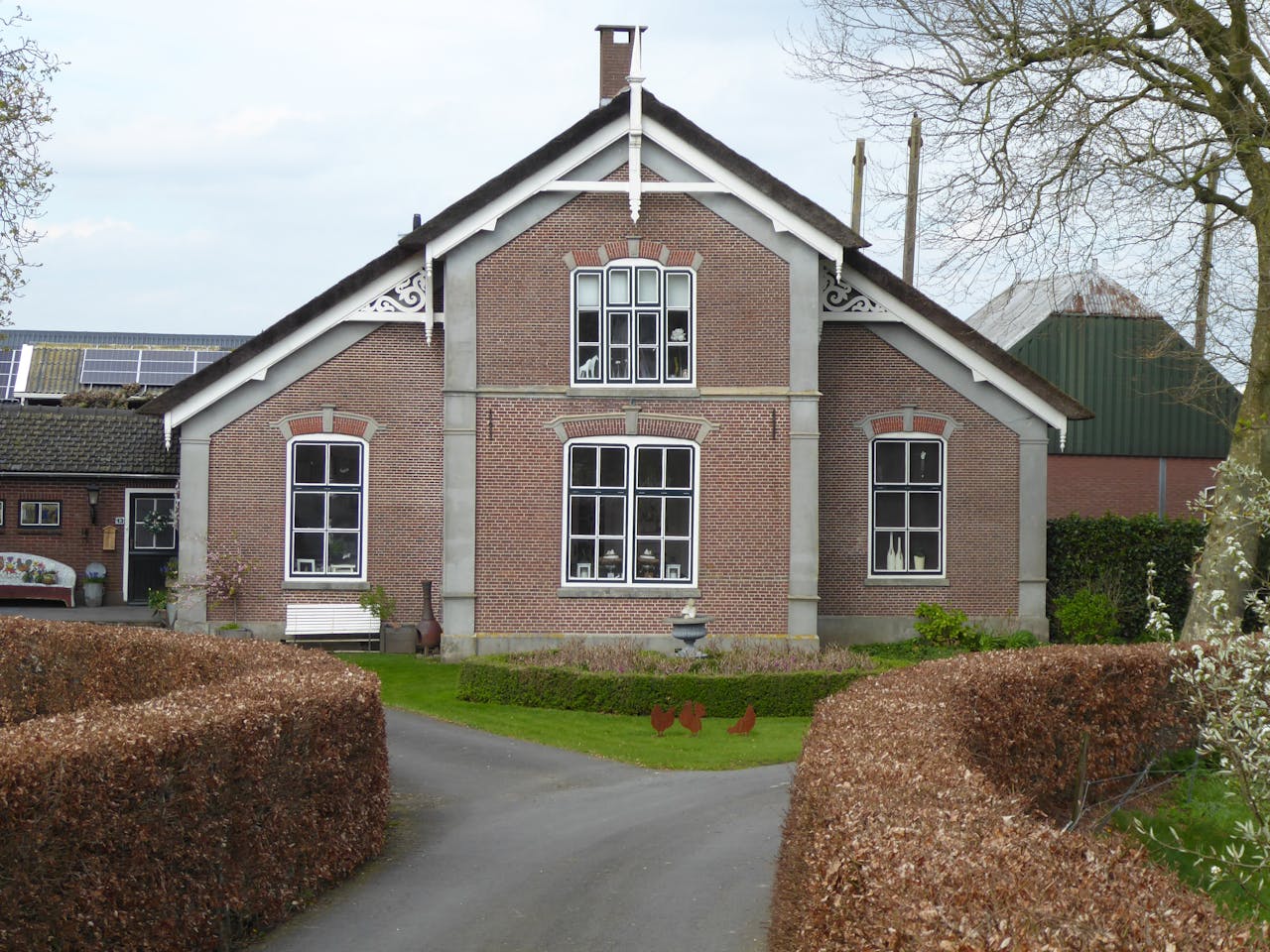
One of the primary reasons people choose fences is to create privacy between properties. However, tree hedging can offer even better privacy while blending seamlessly into the landscape. Dense, tall hedges can create a solid barrier that’s just as effective as a fence in blocking sightlines, but they provide a more natural feel.

Noise Reduction 

Hedges are also excellent at absorbing sound, making them ideal for homes in busy neighborhoods or along roads. The dense foliage can help muffle noise from cars, neighbors, or other sources, creating a more peaceful outdoor environment. In contrast, fences, especially wooden or metal ones, may reflect noise, making your yard feel louder.

Natural Security 

Tree hedges can also act as a security feature. Thorny varieties such as hawthorn or pyracantha can deter intruders just as effectively, if not more so, than a fence. These natural barriers are difficult to penetrate, making it challenging for unwanted guests to breach your property.

Durability And Longevity 

Another security factor to consider is the longevity of tree hedging versus fences. Fences can rot, rust, or be knocked down by strong winds, while hedges grow more robust with time. With proper care, a hedge can last for decades, and because it’s a living thing, it can regenerate itself if damaged.
4. Cost-Effectiveness: A Long-Term Investment

Upfront Costs VS. Long-Term Savings 

At first glance, tree hedging might seem like a more expensive option than installing a fence, particularly when you factor in the cost of planting, nurturing, and maintaining the hedge. However, when considering the long-term costs, hedging is often more cost-effective.

Minimal Maintenance

Fences require regular maintenance, including painting, staining, and repairs. Wood fences can rot, metal fences can rust, and vinyl fences may crack over time. This ongoing maintenance adds up over the years, making fences a more costly investment in the long run. In contrast, tree hedges require minimal care once they are established. Pruning a few times a year and occasional watering or fertilizing is typically all that’s needed to keep them healthy and thriving.

Lifespan And Durability

A fence may last 10 to 20 years before it needs to be replaced, while a hedge can last a lifetime with proper care. Hedges become stronger over time, whereas fences deteriorate. In the long term, a hedge can save you the cost of replacements and repairs, making it a more sustainable investment.

Value For Your Money

In terms of value for money, tree hedging offers more benefits than a traditional fence. Not only do you get privacy and security, but you also enhance your landscape, increase property value, and contribute to the environment. While the initial investment may be higher for hedging, the long-term savings in maintenance and replacement make it a better financial choice.

5. Natural Adaptability: Climate Control And Health Benefits

Climate Control And Natural Cooling

One of the most overlooked advantages of tree hedging is its ability to regulate the climate around your home. In the summer, a thick hedge provides natural shade and cooling, helping to lower temperatures and reduce energy costs. Tree hedging can serve as a natural windbreak, reducing the impact of strong winds and preventing soil erosion. In winter, hedges can act as an insulating barrier, trapping warmth and shielding your home from cold winds. Fences, on the other hand, provide little to no climate control, and may even contribute to the heat island effect by reflecting heat.

Air Quality And Health Benefits

Tree hedging also improves the air quality around your home by filtering out pollutants and dust particles. A fence does nothing to improve air quality, but a living hedge acts as a natural air filter. Cleaner air means fewer allergens and pollutants, which is especially beneficial for those with respiratory conditions such as asthma or allergies. Plus, the visual and psychological benefits of being surrounded by greenery can reduce stress and improve overall well-being. Studies have shown that being close to nature has a calming effect, reducing anxiety and enhancing mood.

Flood Control And Water Management

In areas prone to heavy rainfall or flooding, tree hedging can also help manage water runoff. The root systems of hedges absorb excess water, reducing the risk of flooding. Fences, especially solid ones, can trap water, leading to pooling or flooding issues. Hedging not only manages water effectively but also improves soil structure and prevents erosion.

Conclusion

When it comes to choosing between tree hedging and traditional fences, it’s clear that going green with tree hedging offers a wide range of benefits. From environmental advantages like boosting biodiversity and reducing your carbon footprint to aesthetic appeal, privacy, security, and cost-effectiveness, hedging is a long-term investment that enhances your property and the planet.

Whether you’re looking to increase the value of your home, create a peaceful, private oasis, or make a positive impact on the environment, tree hedging is a smart and sustainable choice. So, the next time you’re planning to define your property’s boundaries, think green—think tree hedging.

This article provides a detailed comparison of tree hedging versus fences with well-explained reasons to opt for hedging. It balances informative content with practical advice, giving readers compelling reasons to consider this greener alternative.

Ensure Safety With JC Tree Service’s Professional Tree Hedging Services

Maintaining the beauty and safety of your property is essential, and JC Tree Service is here to offer expert tree hedging services for your home or business. Whether you’re looking to create privacy, improve the aesthetics of your yard, or shape your landscape, our skilled team is ready to handle all your tree hedging needs in Brentwood, Antioch, and surrounding areas.

Understanding the importance of proper tree maintenance, we focus on delivering efficient, environmentally-friendly hedging services tailored to your specific requirements. Our tree hedging solutions are crucial not only for enhancing the look of your yard but also for ensuring the safety of your property and loved ones. By properly trimming and maintaining your trees, we help prevent hazards from overgrown branches, improve curb appeal, and create a more manageable outdoor space. With JC Tree Service, you can trust that your landscape will be well-kept, organized, and ready for every season.

Don’t let overgrown trees take over your property. Contact JC Tree Service today to learn how our professional tree hedging services can improve the safety and appearance of your yard. We offer a free, no-obligation quote to help you get started. Experience the difference that expert hedging can make!

Disclaimer 

The materials available on this website are for informational and entertainment purposes only and not to provide legal or professional advice. You should contact your attorney or home improvement specialist to obtain advice concerning any particular issue or problem.  You should not act or refrain from acting based on any content included in this site without seeking legal or other professional advice. The information presented on this website may not reflect the most current home improvement developments.  No action should be taken in reliance on the information on this website. We disclaim all liability concerning actions taken or not taken based on any or all of the contents of this site to the fullest extent permitted by law.
Why Tree Hedging Is The Best Investment For Your Home’s Curb Appeal

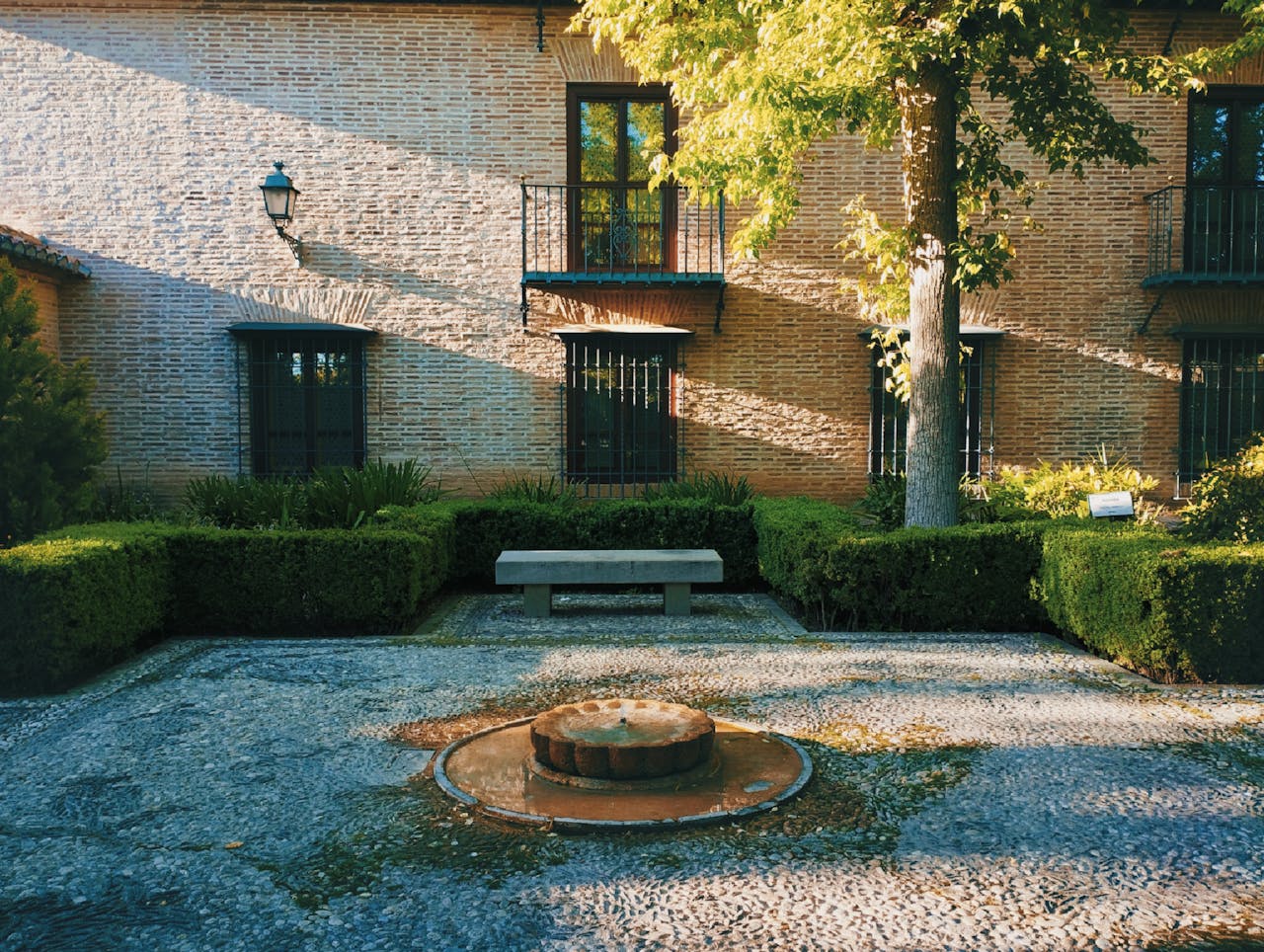
Investing in tree hedging can significantly enhance your home’s curb appeal. Not only does it add a touch of natural beauty, but it also provides privacy, noise reduction, and increased property value. Tree hedging has been popular for centuries, dating back to ancient Roman gardens and European estates. By incorporating tree hedging into your outdoor space, you can create a welcoming and visually appealing environment that will leave a lasting impression on visitors and passersby. Discover why tree hedging is the best investment to transform your home’s exterior.

Understanding Curb Appeal

Visual Attractiveness

Curb appeal refers to the visual attractiveness of a property when viewed from the street. It encompasses the exterior aesthetics that make a home appealing at first glance. The goal is to create a welcoming and aesthetically pleasing appearance that entices passersby or potential buyers.

Enhanced Curb Appeal One key aspect of curb appeal is the improved curb appeal that can significantly increase the value of a property. By investing in improving the exterior appearance, homeowners can elevate the overall look and feel of their homes, making them stand out in the neighborhood.

First Impressions

First impressions are vital in the realm of real estate as they greatly influence how potential buyers perceive a property. A well-maintained and visually appealing exterior can leave a lasting positive impression, setting the stage for a favorable viewing experience and potentially increasing the chances of a successful sale.

Importance of Landscaping Elements Landscaping plays a crucial role in enhancing curb appeal, with tree hedging being a popular choice among homeowners. Tree hedging involves planting trees in a structured and deliberate manner to create boundaries, add privacy, and enhance the overall aesthetics of the property.

Inviting Exterior Tree hedging not only adds a touch of greenery and natural beauty to the landscape but also helps in defining outdoor spaces and creating a sense of privacy. The lush foliage and well-manicured trees contribute to an inviting exterior that exudes charm and sophistication.

Key Benefits

  • Enhances Privacy: Tree hedging acts as a natural barrier, providing privacy from neighboring properties.
  • Adds Value: Well-designed tree hedging can increase property value by enhancing its visual appeal.
  • Low Maintenance: Once established, tree hedging requires minimal maintenance, making it a cost-effective landscaping option.

Landscaping’s Impact On First Impressions

Welcoming Atmosphere

Well-designed landscapes create a welcoming atmosphere for visitors, setting the tone for the entire property. By incorporating thoughtful landscaping, homeowners can make a positive first impression. Lush greenery, colorful flowers, and neatly trimmed hedges all contribute to a warm and inviting exterior.

Neatly manicured hedges play a crucial role in enhancing curb appeal. Their structured appearance conveys care and attention to detail, reflecting positively on the homeowner’s maintenance standards. Visitors approaching a home with well-maintained hedges immediately perceive a sense of order and organization, which can influence their overall impression of the property.

Competitive Differentiation

In a competitive real estate market, attractive landscaping can be the differentiating factor that sets a home apart from others. A meticulously landscaped front yard not only enhances curb appeal but also increases the overall value of the property. Potential buyers are more likely to be drawn to a house that boasts an appealing landscape, as it signals that the property has been well cared for.

Pros Of Tree Hedging:

  • Enhances curb appeal
  • Creates a welcoming atmosphere
  • Adds value to the property

Cons Of Neglected Landscaping:

  • Decreases property value
  • Creates a negative first impression
  • Requires additional time and effort to rectify

Stand Out With Tree Hedging

Investing in tree hedging as part of your landscaping plan can significantly improve your home’s curb appeal. The presence of well-maintained trees and shrubs adds depth and visual interest to the landscape, making it more visually appealing. Tree hedging provides privacy and noise reduction benefits, creating a tranquil outdoor environment for homeowners to enjoy.

When potential buyers drive past a property with striking tree hedging, they are more likely to be intrigued and eager to explore further. This initial attraction can lead to increased interest in the house and ultimately result in a quicker sale at a higher price point.

The Role Of Color And Texture

Diverse Species

Select diverse tree species to enhance visual interest with varying colors and textures. By incorporating a mix of trees such as flowering, evergreen, and deciduous varieties, you can create a dynamic landscape that captures the eye.

Incorporating different types of trees not only adds aesthetic appeal but also contributes to the overall health of your landscape. Varying textures and colors provide depth and dimension, making your outdoor space visually engaging.

Layered Landscape

Create layers in the landscape by combining trees of different heights and foliage types. This technique adds depth and complexity to your yard, drawing the viewer’s eye to various focal points throughout the space.

By strategically placing taller trees at the back and shorter ones in the front, you can create a sense of balance and harmony in your landscape design. This layering effect helps to frame your home and enhances its aesthetic appeal.

Seasonal Changes

Utilize seasonal color changes to maintain year-round appeal and vibrancy. Trees that change color throughout the seasons bring interest and variety to your landscape, ensuring that there is always something new to see.

For example, planting trees with vibrant fall foliage can add a burst of color to your yard as summer transitions into autumn. This natural display of changing hues adds beauty and excitement to your outdoor space.

Enhancing Privacy And Security

Positioning Strategically

Position tree hedges strategically around your property to block unwanted views and enhance privacy. By placing tall and dense hedges along the perimeter, you create a natural barrier that shields your home from prying eyes. This not only adds a sense of seclusion but also enhances the overall aesthetic appeal of your property.

Noise Reduction

Utilize dense hedges not only for privacy but also to reduce noise pollution from nearby streets or noisy neighbors. The thick foliage of well-maintained hedges acts as a sound barrier, absorbing and deflecting unwanted noise. This creates a peaceful and tranquil environment within your outdoor space, allowing you to relax and unwind without disturbances.

Security Enhancement

When considering security, the height and thickness of your hedges play a crucial role. Opt for taller hedges with thick foliage to effectively deter intruders and increase the security of your home. These barriers make it challenging for unauthorized individuals to access your property, adding an extra layer of protection to your home.

Boosting Environmental Sustainability

Promoting Biodiversity

Choose native tree species to enhance biodiversity in your landscape. By selecting trees that are indigenous to your region, you can attract local wildlife such as birds and insects. This promotes a healthy ecosystem within your yard.

Implementing Eco-Friendly Practices

Reduce the need for chemical treatments and excessive watering by opting for sustainable landscaping practices. Native trees are well-adapted to the local climate, requiring minimal maintenance. This not only benefits the environment but also saves you time and effort in upkeep.

Combating Urban Heat And Improving Air Quality

Advocate for tree hedging as a strategic way to combat urban heat islands. Trees provide shade, reducing surface temperatures and cooling the surrounding area. They absorb carbon dioxide and release oxygen, improving air quality in your neighborhood.

Maximizing Usable Outdoor Space

Designating Activity Areas

When it comes to outdoor space, utilizing tree hedges as natural dividers can effectively designate specific areas for various activities. By strategically placing tree hedges, you can create distinct zones for dining, lounging, or playing.

Tree hedges not only add a touch of greenery but also provide a sense of privacy and enclosure. They act as visual barriers, separating different sections of your yard without the need for physical structures. This natural division enhances the overall layout and functionality of your outdoor space.

Creating Intimate Settings

Integrating tree hedges into your yard design allows you to create intimate outdoor settings that cater to different purposes. For instance, you can carve out cozy reading nooks surrounded by lush greenery or set up secluded dining areas under the shade of trees.

The presence of tree hedges adds a layer of coziness and charm to these spaces, making them inviting and comfortable. The combination of outdoor lighting and well-placed tree hedges can transform these areas into enchanting spots for relaxation or social gatherings.

Enhancing Yard Functionality

By incorporating tree hedges into your overall landscaping plan, you can significantly enhance the functionality of your yard. Tree hedges serve as living boundaries that define the edges of your property while adding aesthetic appeal.

These natural elements not only contribute to the visual beauty of your yard but also offer practical benefits. Tree hedges can help reduce noise pollution, provide shade during hot days, and attract beneficial wildlife to your garden.

Increasing Property Value

Enhanced Aesthetic Appeal

Tree hedging significantly enhances the aesthetic appeal of a home by adding a touch of natural beauty. The lush greenery and well-maintained trees create a welcoming atmosphere for visitors and potential buyers.

Investing in tree hedging can lead to a substantial increase in the overall property value. Studies have shown that homes with mature landscaping, including well-placed trees, tend to sell for higher prices compared to properties without such features. These trees not only beautify the surroundings but also contribute to the overall charm of the property.

Long-Term Asset

Homeowners should consider tree hedging as a long-term asset that appreciates over time. Unlike certain trendy decor elements that may lose their appeal, trees grow and mature, becoming more valuable as they do so. This long-term growth potential makes tree hedging a wise investment for those looking to enhance their property’s curb appeal.

  • Trees add character to a property.
  • Mature landscaping attracts potential buyers

Importance Of Regular Maintenance

Consistent Trimming

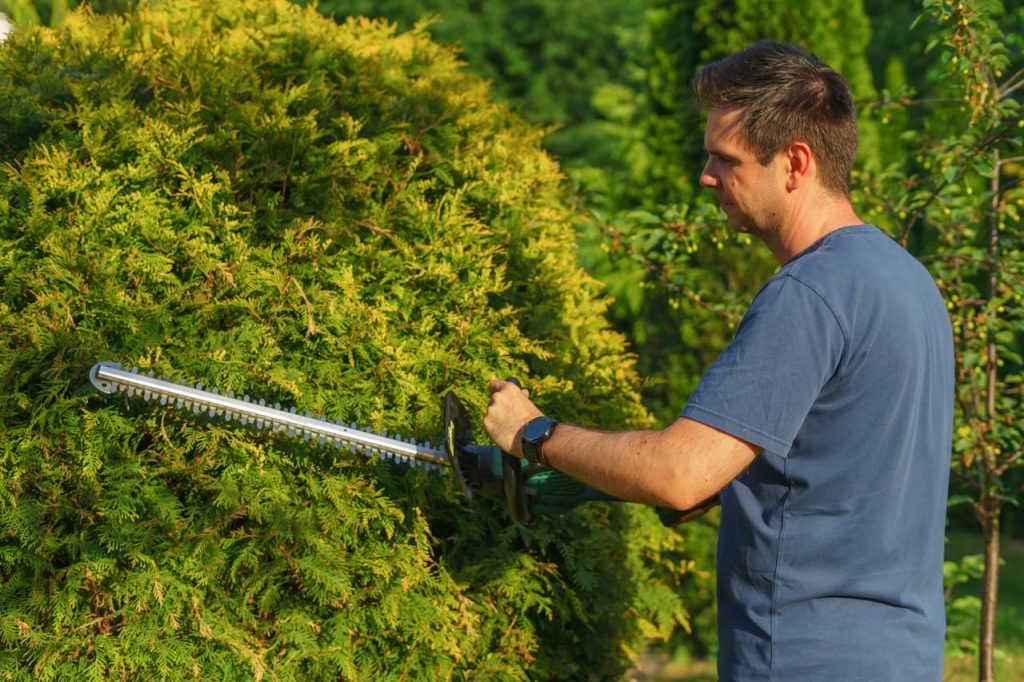
Regular upkeep through consistent trimming is essential to maintain the health and appearance of tree hedges. Trimming helps promote new growth, keeping the hedges lush and vibrant. Without regular service, hedges can become overgrown, losing their shape and aesthetic appeal.

Maintaining a care routine for tree hedges involves trimming them at least once a year, typically during the dormant season. This allows the hedges to grow denser and healthier each time they are pruned. Professionals recommend light pruning throughout the year to prevent excessive growth.

Maintenance Schedule

Creating a maintenance schedule is crucial for ensuring that tree hedges remain in top condition all year round. By sticking to a set routine, homeowners can prevent issues such as overgrowth, disease, and pest infestations. A typical schedule includes trimming in early spring to promote new growth and shaping in late summer to maintain a neat appearance.

To keep tree hedges looking their best, it’s important to monitor their growth regularly and address any issues promptly. This proactive approach helps prevent problems from escalating and ensures that the hedges continue to enhance the overall curb appeal of the home.

Professional Assistance

While some homeowners may prefer to handle hedge maintenance themselves, seeking professional help can be beneficial, especially for larger or more complex hedge designs. Professionals have the expertise and tools necessary to trim hedges evenly, ensuring a uniform appearance across the entire hedge line.

When considering whether to hire professionals for hedge maintenance, homeowners should weigh the cost against the time and effort required for DIY trimming. In many cases, outsourcing this task to professional landscapers can save time and ensure that the job is done correctly.

Closing Thoughts

You now understand the vital role tree hedging plays in enhancing your home’s curb appeal. By investing in tree hedging, you not only elevate the aesthetics of your property but also increase privacy, security, and environmental sustainability. You can maximize your outdoor space, boost property value, and create a welcoming atmosphere for guests and passersby. Remember, regular maintenance is key to preserving these benefits and ensuring long-term beauty and functionality for your home.

Investing in tree hedging is a surefire way to transform your property into a stunning oasis that stands out in your neighborhood. Take the first step today by exploring various tree species, planning their strategic placement, and committing to consistent care. Your efforts will not only pay off in terms of visual appeal but also contribute to a greener, more inviting environment for all to enjoy.

Ensure Safety With JC Tree Service’s Professional Tree Hedging Services

Maintaining the beauty and safety of your property is essential, and JC Tree Service is here to offer expert tree hedging services for your home or business. Whether you’re looking to create privacy, improve the aesthetics of your yard, or shape your landscape, our skilled team is ready to handle all your tree hedging needs in Brentwood, Antioch, and surrounding areas.

Understanding the importance of proper tree maintenance, we focus on delivering efficient, environmentally-friendly hedging services tailored to your specific requirements. Our tree hedging solutions are crucial not only for enhancing the look of your yard but also for ensuring the safety of your property and loved ones. By properly trimming and maintaining your trees, we help prevent hazards from overgrown branches, improve curb appeal, and create a more manageable outdoor space. With JC Tree Service, you can trust that your landscape will be well-kept, organized, and ready for every season.

Don’t let overgrown trees take over your property. Contact JC Tree Service today to learn how our professional tree hedging services can improve the safety and appearance of your yard. We offer a free, no-obligation quote to help you get started. Experience the difference that expert hedging can make!

Disclaimer 

The materials available on this website are for informational and entertainment purposes only and not to provide legal or professional advice. You should contact your attorney or home improvement specialist to obtain advice concerning any particular issue or problem.  You should not act or refrain from acting based on any content included in this site without seeking legal or other professional advice. The information presented on this website may not reflect the most current home improvement developments.  No action should be taken in reliance on the information on this website. We disclaim all liability concerning actions taken or not taken based on any or all of the contents of this site to the fullest extent permitted by law.

Tree Hedging For Small Gardens: 7 Ways To Make The Most Of Your Space

Creating a beautiful, functional outdoor space in a small garden can feel challenging, but tree hedging offers a fantastic solution. Whether you want to add privacy, structure, or greenery, hedging trees can maximize your space without making it feel crowded. In this guide, we’ll explore seven ways to maximize tree hedging in small gardens, breaking down practical tips and creative ideas for each.

1. Choose The Right Trees For Hedging

The first step to creating a successful tree hedge in a small garden is selecting the right species. Not all trees are suitable for compact spaces. Ideally, you want slow-growing trees, that have a narrow or columnar shape and can be pruned easily to maintain their size. Here are a few popular options:

  • Italian Cypress: Known for its tall, slender shape, Italian cypress adds height without taking up much space horizontally. It’s perfect for creating privacy and vertical interest in small gardens.
  • Hornbeam (Carpinus betulus): Hornbeam trees are a great choice for creating formal hedges. They tolerate pruning well and can be shaped to fit the dimensions of your garden.
  • Yew (Taxus baccata): Yew trees are slow-growing and versatile, making them ideal for small hedges. They can be pruned to stay compact or grow taller for added privacy.
  • Privet (Ligustrum): For a fast-growing option, privet is a classic choice. It’s easy to shape, hardy, and dense, providing excellent privacy.

Why Choosing The Right Tree Matters:

  • Space Efficiency: Trees with narrow growth patterns allow you to enjoy the benefits of greenery without overcrowding the space.
  • Low Maintenance: Certain species like yew and hornbeam are slow growers, meaning they require less frequent pruning.
  • Aesthetic Appeal: The right tree adds beauty and structure to your garden, making it look lush while still feeling open.

2. Layer Hedging For Depth

In small gardens, creating a sense of depth and dimension is key. One way to achieve this is by layering your hedging. Instead of relying on a single line of trees, consider planting hedges of varying heights and textures to make the space feel larger and more dynamic.

  • Front Layer: Start with a low-growing hedge or shrubs at the front of your garden bed. Options like boxwood (Buxus) or lavender (Lavandula) are perfect for this as they stay compact but add texture and color.
  • Middle Layer: For the middle layer, use medium-height hedges like holly (Ilex) or dwarf conifers. These provide structure without overwhelming the garden.
  • Back Layer: Tall, slender hedging trees like Italian Cypress or Thuja can be used in the back layer to create height and privacy.

Benefits Of Layering Hedging:

  • Visual Depth: By layering hedging, you create an illusion of more space, making the garden feel larger than it is.
  • Increased Privacy: Using different heights ensures that you get privacy at all levels, from ground-level seclusion to blocking views from above.
  • Biodiversity: Layering plants creates a more varied environment that attracts different types of wildlife, from pollinators to birds.

3. Use Hedging As Natural Borders

Tree hedging is an excellent way to define the different areas of your garden. In small spaces, creating zones can help make the garden feel more organized and functional. For example, you might want to separate a dining area from a lawn or create a quiet reading nook.

  • Formal Hedges: For a more structured look, plant a formal hedge along the borders of your garden. Boxwood or privet can be pruned into neat, low hedges that define pathways or seating areas.
  • Living Fences: Consider using taller hedges as natural fences to section off different parts of the garden. A beech hedge or yew hedge can create a soft, green boundary that’s more attractive than a traditional fence.
  • Edging Pathways: Smaller hedges, like cotoneaster or buxus, work well as edging for pathways. These plants guide visitors through the garden while adding greenery.

Advantages Of Natural Borders:

  • Increased Functionality: By defining different areas, you make the garden more functional, allowing for separate zones for dining, relaxing, and planting.
  • Natural Privacy: Hedging provides a soft, green barrier that blocks views but still feels natural and inviting.
  • Improved Flow: Creating borders with hedges can improve the flow of movement through the garden, making the space feel more connected and cohesive.

4. Opt For Multi-Purpose Hedges

In small gardens, multi-purpose plants are a great way to make the most of limited space. Some hedging trees not only provide privacy and structure but also offer additional benefits like edible fruits or seasonal blooms.

  • Edible Hedges: Consider planting fruiting trees or shrubs as part of your hedge. Apple trees trained along trellises or blackcurrant bushes can provide a seasonal harvest while serving as an attractive border.
  • Flowering Hedges: For seasonal color, opt for flowering hedges like hawthorn (Crataegus monogyna) or rose (Rosa rugosa). These plants bloom in spring or summer, adding color and fragrance to your garden.
  • Evergreen and Year-Round Interest: Evergreen hedging trees like holly or laurel provide year-round greenery, ensuring that your garden looks lush even in winter.

Why Choose Multi-Purpose Hedges:

  • Maximize Use: In a small garden, every plant needs to work hard. Multi-purpose hedges give you privacy, beauty, and food all in one.
  • Seasonal Interest: By choosing hedges that change throughout the year, you keep the garden visually interesting across the seasons.
  • Sustainability: Growing your fruits or herbs as part of your hedging adds an element of sustainability and practicality to your space.

5. Incorporate Hedging Into Vertical Spaces

When horizontal space is limited, think vertically! Vertical gardening techniques can help you make the most of your garden’s height, especially in tight spaces. Hedging trees can be trained to grow upward rather than outward, maximizing the available space.

  • Espaliered Trees: Espaliering is a technique where trees are trained to grow flat against a wall or fence. Apple and pear trees are commonly used for this purpose, and they create a beautiful, space-efficient hedge that also produces fruit.
  • Climbing Plants On Hedges: Use your hedging as a backdrop for climbing plants. Clematis or honeysuckles can be trained to grow through your hedge, adding vertical interest and blooms without taking up additional ground space.
  • Trellises And Obelisks: Incorporate trellises or obelisks into your hedge design to add height and structure. You can train flowering vines or even trees with flexible branches to grow along these supports.

Why Vertical Hedging Works:

  • Space Optimization: By using vertical space, you get the most out of your small garden without compromising on greenery or privacy.
  • Eye-Catching: Vertical hedging creates a visual focal point and draws the eye upward, making the garden feel taller and more open.
  • Dual Purpose: Espaliered trees and trellised vines can serve as both a decorative and functional element, providing beauty and privacy simultaneously.

6. Use Hedging To Enhance Privacy

Privacy is a top concern for many small garden owners, especially in urban areas where neighbors are often close by. Tree hedging can be an effective way to block unwanted views while maintaining a natural, green aesthetic.

  • Tall, Narrow Hedges: Leylandii and thuja are fast-growing trees that can be used to create tall, dense hedges. These trees grow upright, making them perfect for creating privacy screens in small spaces.
  • Mixed Height Hedging: If you want to block views from different angles, consider using hedging trees of varying heights. Tall trees like Italian Cypress can block upper-floor windows, while shorter hedges like boxwood can provide privacy at ground level.
  • Strategic Planting: You don’t need to hedge the entire perimeter of your garden to create privacy. Planting a small section of dense trees, such as yew or beech, can block a specific view, like a neighbor’s window, without making the space feel enclosed.

Benefits Of Hedging For Privacy:

  • Natural Screen: Unlike fences or walls, hedging creates a soft, green barrier that feels organic and welcoming.
  • Noise Reduction: Dense hedging can also help reduce noise from the surrounding environment, making your garden a peaceful retreat.
  • Flexible Design: You can adjust the height and density of your hedges to fit your privacy needs while keeping the garden open where desired.

7. Prune Regularly To Maintain Shape And Size

One of the key challenges with hedging in small gardens is ensuring that the trees don’t outgrow their space. Regular pruning is essential to keeping your hedges neat, compact, and functional.

  • Annual Pruning: Most hedging trees benefit from at least one annual pruning session. For fast-growing species like privet or Leylandii, you may need to trim them more frequently to maintain their shape.
  • Shaping Hedges: Pruning isn’t just about controlling size—it’s also an opportunity to shape your hedge. Formal gardens often feature sculpted hedges in geometric shapes, while informal gardens may favor a more natural look.
  • Removing Deadwood: In addition to shaping, regular pruning allows you to remove any dead or damaged branches, which keeps your hedges healthy and encourages new growth.

Why Pruning Is Important:

  • Control Growth: Regular pruning ensures that your hedging trees don’t outgrow their allotted space, keeping your small garden functional and open.
  • Aesthetic Appeal: A well-maintained hedge adds to the overall beauty and structure of the garden, making it feel more polished and intentional.
  • Health And Longevity: Pruning encourages healthy growth and prevents overcrowding, which can lead to disease and poor air circulation.

Conclusion

Tree hedging is an incredibly versatile and effective way to make the most of a small garden. By selecting the right trees, layering for depth, using hedging as borders, and incorporating vertical elements, you can maximize your garden’s functionality and beauty. With regular pruning and smart plant choices, you can create a green oasis that feels both private and spacious, even in the tightest spaces. Whether you’re a beginner gardener or a seasoned expert, these seven techniques will help you transform your small garden into a lush, structured haven that makes the most of every inch.

Ensure Safety With JC Tree Service’s Professional Tree Hedging Services

Maintaining the beauty and safety of your property is essential, and JC Tree Service is here to offer expert tree hedging services for your home or business. Whether you’re looking to create privacy, improve the aesthetics of your yard, or shape your landscape, our skilled team is ready to handle all your tree hedging needs in Brentwood, Antioch, and surrounding areas.

Understanding the importance of proper tree maintenance, we focus on delivering efficient, environmentally-friendly hedging services tailored to your specific requirements. Our tree hedging solutions are crucial not only for enhancing the look of your yard but also for ensuring the safety of your property and loved ones. By properly trimming and maintaining your trees, we help prevent hazards from overgrown branches, improve curb appeal, and create a more manageable outdoor space. With JC Tree Service, you can trust that your landscape will be well-kept, organized, and ready for every season.

Don’t let overgrown trees take over your property. Contact JC Tree Service today to learn how our professional tree hedging services can improve the safety and appearance of your yard. We offer a free, no-obligation quote to help you get started. Experience the difference that expert hedging can make!

Disclaimer 

The materials available on this website are for informational and entertainment purposes only and not to provide legal or professional advice. You should contact your attorney or home improvement specialist to obtain advice concerning any particular issue or problem.  You should not act or refrain from acting based on any content included in this site without seeking legal or other professional advice. The information presented on this website may not reflect the most current home improvement developments.  No action should be taken in reliance on the information on this website. We disclaim all liability concerning actions taken or not taken based on any or all of the contents of this site to the fullest extent permitted by law.