Arborist Reports, Protected Tree Removal & Regulatory Guidance for Lafayette Property Owners
Lafayette property owners often face unique challenges when managing protected trees, obtaining removal permits, or maintaining trees on steep hillside properties. JC Tree Service Corp provides arborist reports, permit assistance, protected tree management, and specialized tree services designed to meet Lafayette’s environmental regulations.
Steep Terrains & Regulatory Compliance
Navigating Lafayette’s rigid environmental protections requires a highly specialized Lafayette tree service team. JC Tree Service Corp brings specialized structural pruning protocols and total regulatory management to neighborhoods like Happy Valley and downtown hillside estates.
Advanced Arborist Equipment for Lafayette’s Hillsides
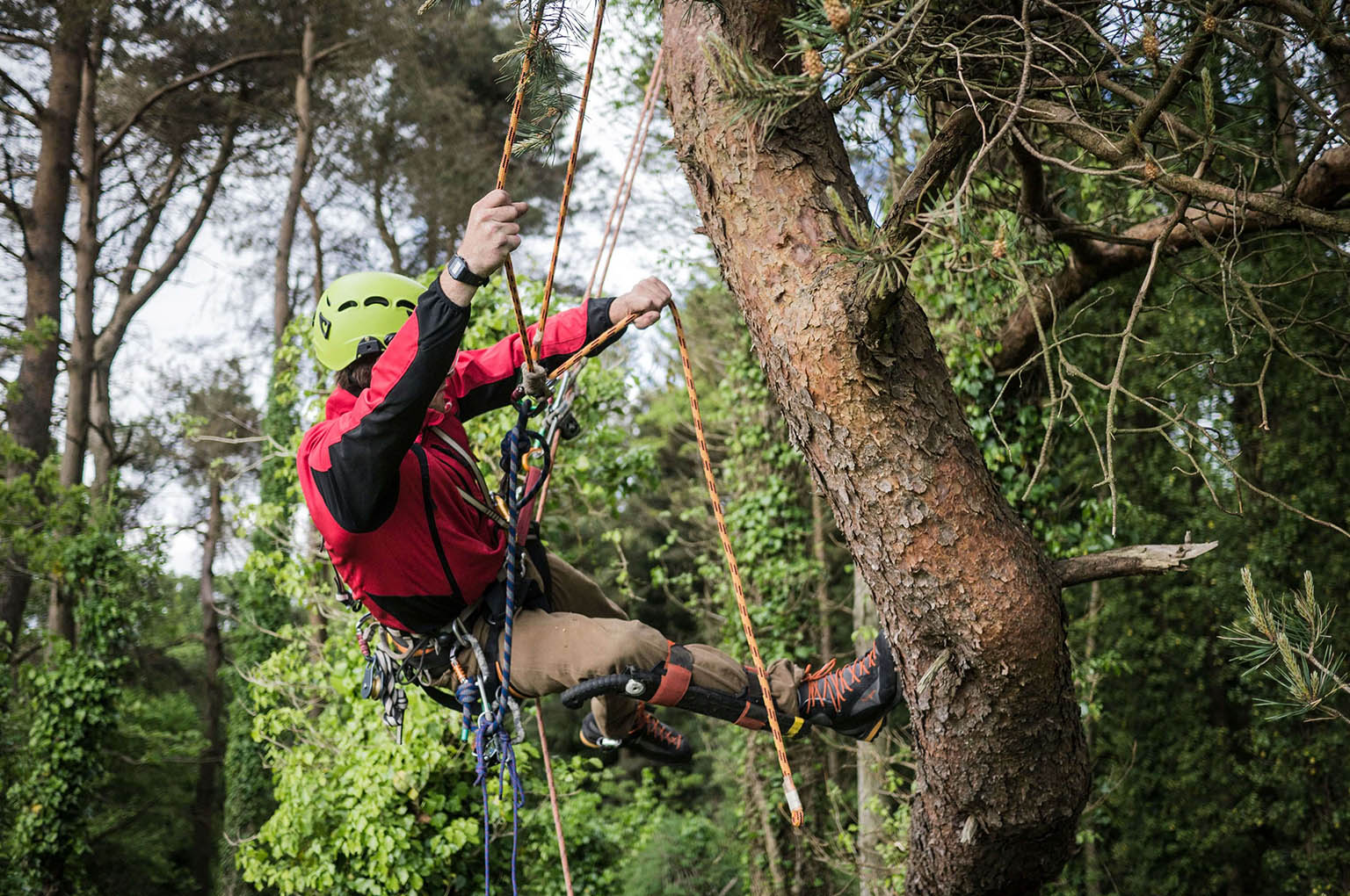
To perform zero-impact extractions on steep hillside terrains without compromising protected flora, our crews deploy heavy-duty arborist infrastructure:
- 75-Ton Mobile Cranes: For complex, over-house canopy extractions that prevent ground impact and protect delicate landscaping structures.
- Track-Mounted Stump Grinders: Engineered to navigate severe slope configurations safely while minimizing topsoil disruption.
- High-CC Professional Chainsaws & Specialized Rigging: Essential for executing precision, controlled limb descents in tight, high-value residential footprints.
Safety & Pricing
Safety is structurally mandated at every level. Operating strictly under CSLB License 1074694, all operations follow strict ANSI A300 pruning standards to preserve tree health and mitigate structural liabilities. Because project scopes vary widely on hillside terrains, we avoid arbitrary fixed rates and provide transparent, time-based hourly estimation models for all hazardous removals and complex canopy reductions. From deploying high-capacity wood chippers to executing clean-site clearing with 20-yard debris hauling trucks, we handle the entire lifecycle of local compliance and technical execution.
Understanding Lafayette Tree Preservation Regulations
Local canopy is strictly protected by municipal codes. Property owners must understand these permitting thresholds before altering major tree assets:
- Protected Native Species: A municipal permit is legally required for the removal, significant cutting, or structural pruning of indigenous species, specifically the Coast Live Oak (Quercus agrifolia) and Valley Oak (Quercus lobata), along with California Bay Laurel, Madrone, and Buckeye.
- Size Thresholds (DBH): Protection is triggered when a native tree measures 12 inches or greater in Diameter at Breast Height (DBH), measured at 4.5 feet above the natural grade. For multi-trunk trees, a combined trunk diameter threshold applies.
- Riparian Corridors: If a tree stands within a designated creek setback or riparian zone, the preservation threshold drops aggressively to a strict 6-inch DBH limit for all species to prevent erosion and habitat destruction.
Our specialized arborists fully manage this process for you. We generate the comprehensive arborist reports required by the Lafayette Planning & Building Department, map out required replacement trees, and execute precision structural canopy balancing that aligns perfectly with municipal preservation guidelines.
When Is an Arborist Report Required in Lafayette?
An arborist report is often required when tree work may affect protected trees, sensitive habitats, or development projects subject to municipal review. These reports help local agencies evaluate the potential impact of proposed work and determine whether permits or mitigation measures are necessary.
Common Situations That May Require an Arborist Report:
- Tree removal permit applications involving protected trees
- Construction projects near protected trees or root zones
- New home construction or property redevelopment
- Additions, driveways, retaining walls, or utility installations near mature trees
- Tree preservation and mitigation plans required by the City of Lafayette
- Municipal reviews involving protected native species or riparian corridors
Our team can evaluate your property, prepare the necessary documentation, and help guide you through Lafayette’s tree preservation and permitting requirements.
Our Tree Permit & Compliance Process
Navigating Lafayette’s tree preservation requirements can be complex. Our team helps property owners through every stage of the process, from initial assessment to permit approval and project completion.
- Site Inspection
We evaluate the trees, property conditions, and any potential regulatory requirements. - Tree Assessment
Our arborists assess tree species, condition, size, and preservation status. - Arborist Report Preparation
We prepare detailed reports and supporting documentation required by the City of Lafayette. - Permit Documentation
Our team helps compile the necessary permit application materials. - City Submission Support
We assist with the review process and help address any additional information requests. - Approved Tree Work
Once approvals are obtained, we perform the necessary tree removal, pruning, preservation, or mitigation work.
Need an Arborist Report for Your Lafayette Property?
Contact JC Tree Service Corp to schedule a site evaluation and discuss your project requirements.
Frequently Asked Questions
Yes. The City of Lafayette legally requires a permit to remove native oaks, including Coast Live and Valley Oaks, if the trunk measures 12 inches or greater in Diameter at Breast Height (DBH). This threshold drops strictly to 6 inches near creeks.
We execute zero-impact extractions using heavy-duty arborist infrastructure. By deploying 75-ton mobile cranes, we safely hoist tree sections over structures. We combine this with track-mounted stump grinders and precision rigging to prevent ground damage and protect slope stability on steep grades.
Lafayette’s protection threshold is 12 inches DBH (Diameter at Breast Height) for native species on developed properties. For undeveloped lots or trees in designated creek setbacks, the threshold drops to 6 inches DBH. All measurements are taken exactly 4.5 feet above natural grade.
The timeline for a tree permit in Lafayette can vary depending on the scope of the project, the type of tree involved, and whether additional reviews or supporting documentation are required. Simple applications may be processed relatively quickly, while projects involving protected trees, hillside properties, or development plans may take longer.
In most cases, no. Lafayette’s tree preservation regulations require property owners to obtain approval before removing, significantly pruning, or otherwise impacting protected trees. Removing a protected tree without the required permit may result in fines, replacement tree requirements, or other enforcement actions.
Before beginning any tree work, it’s important to determine whether the tree is protected under local regulations and whether a permit is required. Our team can evaluate your property, identify potential compliance requirements, and help guide you through the permitting process.