Thinking About Tree Topping 5 Questions You Should Ask

Key Takeaways:

  • Proper tree care is essential for maintaining the beauty, safety, and health of your landscape, as trees enhance aesthetic appeal, provide shade, improve air quality, and increase property value.
  • Tree topping, which involves cutting the upper portion of a tree’s canopy to reduce its height, is often done to control tree size or prevent interference with power lines. However, this practice can have long-term negative consequences for tree health and stability.
  • Topping weakens regrowth, making it prone to breaking, and creates large cuts that expose trees to pests, fungi, and diseases, leading to a shortened lifespan.
  • Alternatives like crown thinning, crown reduction, and selective pruning promote healthy, sustainable growth while maintaining the tree’s appearance rather than topping.
  • Topping causes aesthetic damage, including an unnatural look and weak shoots, and results in structural weaknesses, decay, disease, and sunscald over time.
  • Hiring certified arborists with proper training and experience is crucial when caring for trees, as unqualified professionals who recommend topping as a standard practice can cause irreversible damage.
  • Topping may appear to be a quick fix, but it often leads to increased maintenance costs due to weak regrowth, higher risks of property damage, and reduced property value because of poorly maintained trees.
  • Choosing proper tree care practices like crown thinning or reduction instead of topping helps maintain tree health, prevent long-term damage, and preserve your property’s value.

Proper tree care is fundamental for maintaining the beauty, safety, and overall health of your landscape. Trees not only enhance the aesthetic appeal of your property but also provide shade, improve air quality, and increase property value. However, when it comes to managing tree growth, certain practices, like tree topping, spark debate among property owners and arborists.

Tree topping, which involves cutting the upper portion of a tree’s canopy to reduce its height, is often used to control size or prevent interference with power lines. While it may seem like a quick fix, this practice can have long-term consequences for tree health, stability, and appearance. Before deciding whether to top a tree, consider the following five critical questions to make an informed choice for your trees and property:

1. What Is Tree Topping, and Why Is It Controversial?

Tree topping is the process of cutting back the main branches of a tree to stubs or lateral branches that aren’t large enough to assume the terminal role. This practice is often pursued to control tree size or reduce the risk of falling branches. However, tree topping has significant drawbacks that can lead to serious consequences for both the tree and the surrounding environment.

Risks Of Tree Topping:

  • Weak Regrowth: Topping stimulates rapid, weak regrowth that is often more likely to break or fail under stress.
  • Increased Vulnerability: Large, open cuts create an entry point for pests, fungi, and diseases, compromising the tree’s immune system.
  • Shortened Lifespan: Continuous stress and vulnerability often cause trees to decline and die prematurely.

Tree topping often results from misconceptions about its effectiveness. While it may seem like an easy fix, its negative impacts on the tree and property outweigh any perceived benefits. Educating yourself on the practice’s risks can help you avoid costly and damaging outcomes.

2. Is There A Better Alternative To Tree Topping?

If tree size or safety is a concern, several effective alternatives to topping promote both tree health and landscape safety. These techniques prioritize the tree’s well-being and ensure sustainable growth.

Crown Thinning:

This technique involves selectively removing branches to reduce the density of a tree’s crown. By allowing more light and air to pass through, crown thinning improves overall tree health and reduces wind resistance.

Crown Reduction:

Crown reduction decreases the height or spread of a tree while maintaining its natural shape. Unlike topping, this method involves precise cuts that minimize damage and encourage healthy regrowth.

Selective Pruning:

Targeting specific branches for removal can address structural issues or eliminate hazards. Selective pruning allows arborists to manage tree growth without compromising its integrity.

Benefits Of Alternatives:

  • Maintain tree health and aesthetics.
  • Address safety concerns without excessive cutting.
  • Avoid costly long-term damage associated with topping.

Certified arborists can evaluate your specific situation and recommend the most suitable approach. Investing in these methods ensures that your tree continues to thrive while meeting safety and aesthetic goals.

3. How Will Topping Affect The Tree’s Health And Appearance?

Topping has profound and often irreversible effects on a tree’s health and appearance. Understanding these impacts can help you make a more informed decision.

Immediate Impact:

  • Aesthetic Damage: Cutting a tree’s canopy results in an unnatural and unsightly appearance, often described as “pollarding” or “decapitating.”
  • Stress Response: Trees react to topping by producing a flush of shoots, known as epicormic growth. This regrowth is often weakly attached and prone to breaking.

Long-Term Consequences:

  • Structural Weakness: The regrown branches lack the strength and integrity of natural limbs, increasing the likelihood of failure during storms or high winds.
  • Decay And Disease: Open wounds from topping cuts are slow to heal, creating entry points for decay organisms and pests.
  • Sunscald: Without the protection of a full canopy, exposed branches and trunk are susceptible to sunscald and bark damage.

Visual And Biological Degradation:

A topped tree not only looks unhealthy but also suffers from a reduced ability to photosynthesize and sustain itself. Over time, this can lead to a cycle of decline that ends in tree removal. The diminished aesthetic and structural integrity of a topped tree often negatively impacts the overall appearance and safety of your property.
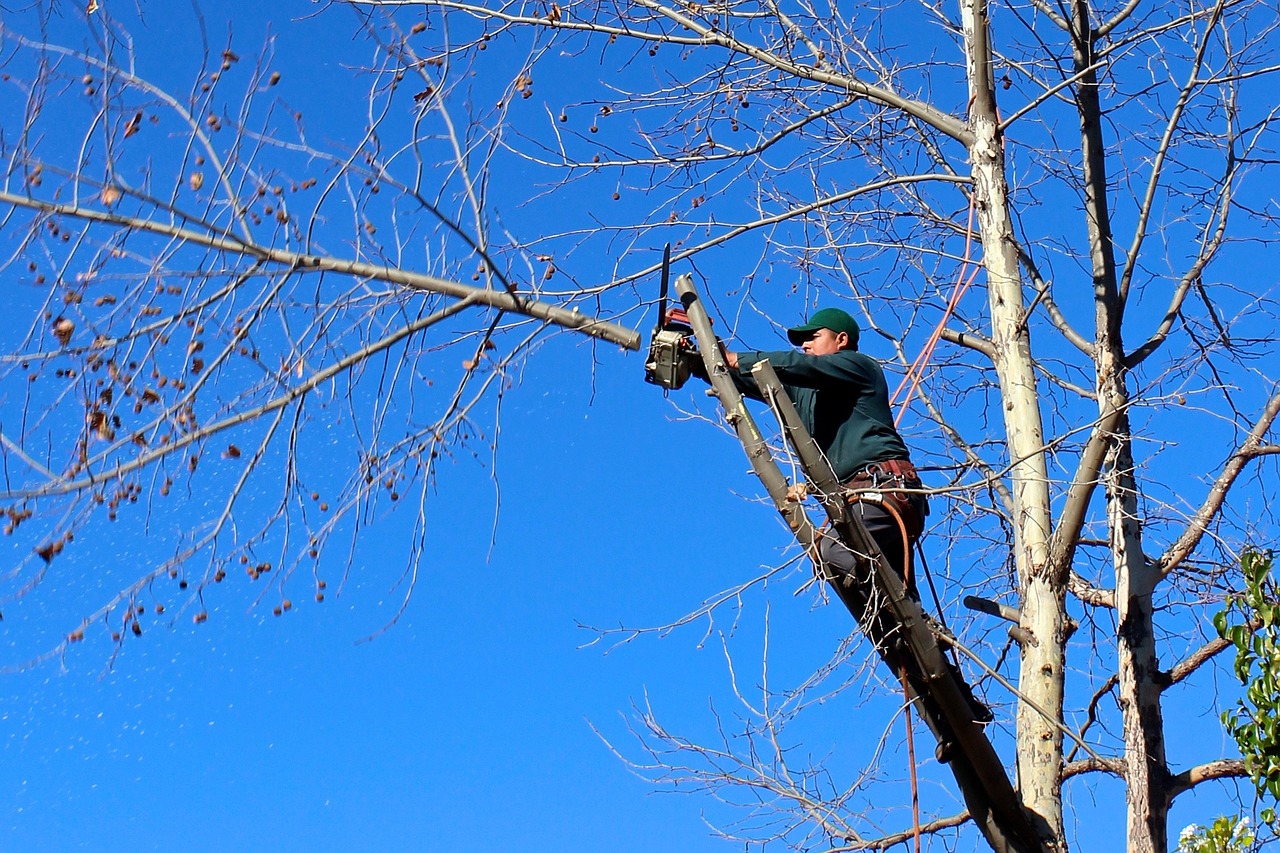
4. Is The Person Performing The Work Qualified?

Tree care is a specialized field requiring extensive knowledge and skill. Choosing an unqualified individual to perform tree topping can result in costly mistakes and irreversible damage.

What To Look For In A Tree Care Professional:

  • Certification: A certified arborist has undergone rigorous training and adheres to industry standards for tree care.
  • Experience: Look for professionals with a proven track record in managing tree health and safety.
  • References: Ask for testimonials or references from previous clients to verify the quality of their work.
  • Insurance: Ensure the tree care provider has liability insurance to cover potential accidents or damage.

Red Flags:

  • Professionals who recommend tree topping as a standard practice.
  • Lack of proper equipment or safety protocols.
  • Unusually low quotes that may indicate subpar service.

Hiring a certified arborist ensures that your tree care needs are met responsibly and effectively. These professionals prioritize your tree’s health and the safety of your property.

5. What Are The Long-Term Costs Of Tree Topping?

While tree topping might appear to be a cost-effective solution initially, it often results in higher expenses over time. Understanding the long-term financial implications can guide you toward better decisions.

Maintenance Costs:

  • Frequent Pruning: Weak regrowth requires ongoing maintenance to manage size and shape.
  • Increased Risk: Unstable branches are more likely to break, leading to potential property damage or injuries.

Health-Related Costs:

  • Declining Tree Health: Topping compromises a tree’s vitality, potentially necessitating removal or replacement.
  • Pest and Disease Management: Trees weakened by topping are more susceptible to infestations and infections.

Property Value Impact:

  • Trees contribute significantly to property aesthetics and value. Poorly maintained or unhealthy trees can detract from curb appeal and reduce property value.

By investing in proper tree care from the start, you can avoid these long-term costs and ensure the longevity and beauty of your landscape.

Conclusion: Choose Tree Care Wisely

Tree topping may appear to offer a straightforward solution, but its drawbacks can outweigh the benefits. By asking these five questions, you’ll be better equipped to make an informed decision that prioritizes the health and safety of your landscape.

At JC Tree Service, we specialize in professional tree care services tailored to your unique needs. Our certified arborists are here to help you maintain healthy, beautiful, and safe trees for years to come.

Why Choose Us?

  • Expert evaluations and customized care plans.
  • Emphasis on long-term tree health and safety.
  • Commitment to using industry best practices.

Ready to care for your trees the right way? Contact us today for a consultation. Let’s work together to protect the beauty and value of your property while ensuring the well-being of your trees.

Enhance Your Landscape With JC Tree Service’s Expert Tree Maintenance

Proper tree maintenance is essential for keeping your property safe, beautiful, and well cared for. At JC Tree Service, we specialize in comprehensive tree maintenance services for homes and businesses in Brentwood, Antioch, and surrounding areas. Whether you need seasonal pruning, risk assessment, or help managing overgrown branches, our skilled team is here to ensure your trees stay healthy and safe year-round.

Our tree maintenance services are designed to prevent potential hazards, protect your property, and enhance curb appeal. With regular maintenance, we help you avoid risks from weak or damaged branches, manage tree growth, and support long-term health for a vibrant landscape. JC Tree Service focuses on eco-friendly practices, delivering solutions tailored to your needs while keeping your landscape organized and manageable.

Don’t let neglected trees jeopardize your property’s safety and beauty. Contact JC Tree Service today for a free, no-obligation quote on our professional tree maintenance services. Discover how expert care can transform your outdoor space!

Disclaimer 

The materials available on this website are for informational and entertainment purposes only and not to provide legal or professional advice. You should contact your attorney or home improvement specialist to obtain advice concerning any particular issue or problem.  You should not act or refrain from acting based on any content included in this site without seeking legal or other professional advice. The information presented on this website may not reflect the most current home improvement developments.  No action should be taken in reliance on the information on this website. We disclaim all liability concerning actions taken or not taken based on any or all of the contents of this site to the fullest extent permitted by law.
The Hidden Dangers Of Tree Topping Every Homeowner Should Know

Key Takeaways

  • Tree topping is an extreme form of tree pruning that cuts away most of a tree’s trunk and branch structure. This drastic and damaging pruning practice interferes with the tree’s natural growth and health.
  • Myths like tree topping as a quick fix or even good for tree health are misleading at best. Topping trees do irreparable long-term harm and leaves trees much more vulnerable.
  • Topping removes trees’ vital nutrient factories, their leaves, decreasing trees’ leaf area, thus weakening growth and increasing recovery time.
  • Bark that has been exposed through topping is especially vulnerable to sunscald and decay. At the same time, the regrowth is often weak and more susceptible to failure, presenting serious safety concerns.
  • Topped trees are far more vulnerable to pests and disease, as well as structural instability, and usually need to be removed in a few short years.
  • Correct pruning, choosing the right tree species, and using qualified arborists are all good sustainable substitutes. These practices protect trees, ensuring they live long, healthy lives.

Tree topping is just that—cutting off the top branches of a tree. This practice usually results in large stubs or lateral branches being left. It can feel like a quick fix for handling a tree’s height or appearance.

This is an extremely destructive practice for the tree. Topping immediately destroys the tree’s natural shape and growth pattern, weakens the tree, and exposes the tree to disease and pests. Without a sufficient canopy, trees are unable to photosynthesize as much energy as they need, resulting in further stress and a shorter lifespan.

This technique further compromises structural integrity, raising the chances of branch failure and putting trees at greater risk during storms. Now that you know the negative effects of tree topping, you’re better equipped to make the right decisions for your trees’ care and long-term health.

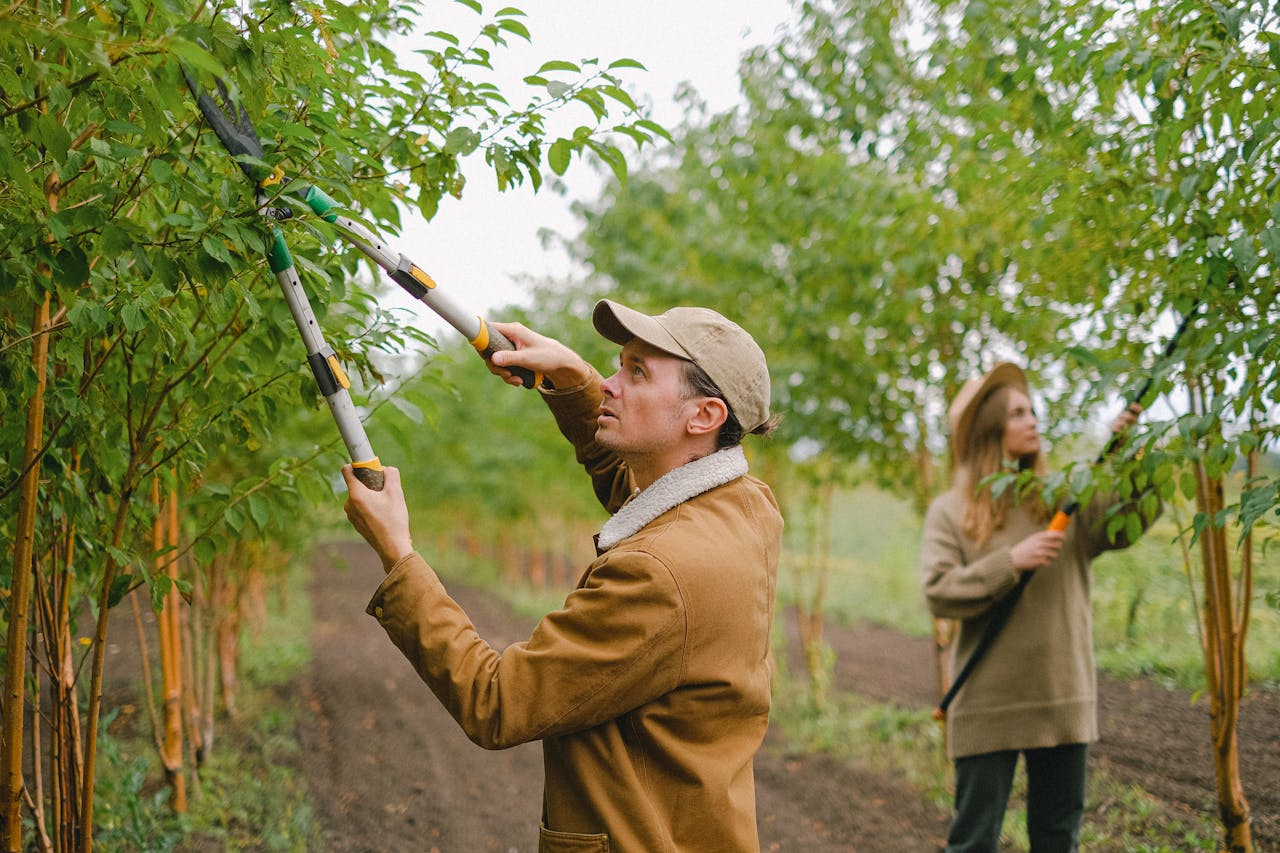
Using proper pruning techniques is safer for trees and tree workers.

What Is Tree Topping?

Definition Of Tree Topping

Tree topping is a harmful and reckless pruning practice. It means removing a huge proportion of a tree’s top growth, usually resulting in unsightly stumps on the ends of branches. This practice not only eliminates the tree’s primary structural branches but often its central leader or trunk as well.

The end product is a tree that appears unnatural, lopsided, and sparse, with large sections of its natural architecture removed. Though this might sound like an easy fix, tree topping puts tremendous strain on the tree. Once the tree loses this big crown of leaves, it can’t perform enough photosynthesis to create the energy it needs to survive.

Each piece of this loss of foliage slows the tree’s overall decline.

Reasons People Top Trees

There are very limited situations in which we would recommend a homeowner top their trees. Some wish to decrease a tree’s height to make room for commensurate utility wires. Others still might do so to improve a scenic view.

Still, others could be forgiven for thinking that topping is a reasonable approach for keeping an overgrown tree small. Aesthetic preferences may factor in, with some believing it produces a more manicured or orderly appearance. These reasons usually come from a misunderstanding of the long-term effects of topping.

Common Misconceptions About Topping

One persistent misconception is that tree topping is harmless and may even be helpful to the tree. In practice, this practice often leaves trees susceptible to disease, pests, and decay.

Another common myth is that a topped tree will return with a vengeance. Although new shoots can sprout almost immediately, the new growth is typically weak and poorly attached, making them more susceptible to breakage.

How Tree Topping Harms Trees

Tree topping ignores the natural growth development of trees, ultimately resulting in a stressed, unhealthy tree. Once these large branches are removed, the tree is damaged in its capability to efficiently grow. Trees need a balance between the number of branches and the number of leaves to stay strong and healthy.

By taking away this balance, you’re forcing the tree to go into survival mode, creating abnormal sprouting that compromises its future stability.

Causes Nutrient Deprivation

Topping instantly and dramatically reduces a tree’s healthy canopy, the most important component of the tree for photosynthesis. Since leaves are trees’ food factories, losing those leaves means the tree can no longer make enough energy to survive.

For example, a large maple tree with a dense canopy supports its growth by converting sunlight into food through its leaves. With so many branches removed, the tree can’t produce enough energy to sustain itself and begin growing again, often resulting in stunted growth and poor health.

Leads To Sunscald Damage

Without its natural cover, a topped tree’s bark can be vulnerable to sun damage. This makes it susceptible to sunburn or sunscald, which destroys the protective bark layer.

Left unaddressed, this trauma can lead to splitting, rot, and susceptibility to other ailments. Oaks and other broadleaf trees go into shock and decay from severe bark injuries when topped.

Weakens Branch Structures

New growth following a topping is typically poorly attached, resulting in an increased risk of branch failure. These unintentional branches that get left in the tree are not only visually unappealing, they’re unsafe.

In places where storms run rampant, dropping branches can lead to damage or injury, and the tree then becomes a liability.

Increases Pest And Disease Risks

The stress topping reduces a tree’s natural defenses, making it more susceptible to pests and pathogens. Bark beetles, for example, are fast to infest stressed trees, and fungal pathogens infect the openings created from topping.

This increased vulnerability contributes to additional decline.

Slows Natural Growth Recovery

Recovery from topping is very slow for the very reason that a topped tree has exhausted its energy reserves. Now, that tree is limping along with a depleted leaf supply and torn-up limbs.

It might take years for it to become strong again if it even recovers. Throughout this time, the tree is vulnerable to other health issues, which compound the damage done by topping.

Long-Term Effects Of Tree Topping

Impacts On Tree Longevity

Every time a tree is topped, it lands a potentially fatal hit on that tree’s long-term health and survival. Research estimates over half of topped trees will require removal within five years. This is primarily because of the stress caused by improper pruning techniques.

When you remove large sections of the crown, usually 50% – 100%, the tree cannot grow the amount of food it needs through photosynthesis. This can powerfully undermine its vibrancy. By exposing the tree’s inner canopy and vascular structure, topping the tree leaves it vulnerable to pests and disease.

This chronic exposure can result in catastrophic infestations. Quick changes in temperature and direct sunlight beating down on exposed bark can cause rapid changes in temperature. This results in wounds and lesions that may compromise the tree’s vascular system.

This damage is by nature permanent, with the treated tree never able to fully heal, and potentially cutting its lifespan by as much as 50%.

Challenges In Long-Term Maintenance

Topping is anything but a quick fix. It traps the tree in a cycle of perpetual maintenance. As a reaction to topping, trees produce a flush of vigorous, weak, water-sprouting branches that are structurally unsound and hazardous.

These branches are highly susceptible to breakage during storms, creating serious safety hazards. To compensate for this, topped trees need more frequent pruning, increasing time and expense. Without continued maintenance, these stressed branches become risks, sometimes causing serious damage to property or injury to pedestrians.

This ongoing maintenance is an undue financial burden on property owners and highlights the long-term effects of tree topping.

Reduced Aesthetic And Property Value

In addition to being dangerous, a topped tree loses its natural beauty, often appearing misshapen or stunted. This reduces the aesthetic quality of an entire landscape and can ultimately reduce property value as well.

Not only do healthy, well-maintained trees improve curb appeal, but opped trees tend to do just the opposite.

Sustainable Alternatives To Tree Topping

Choose The Right Tree For The Space

Preventing the need for tree topping starts with planting the right tree in the right place. This proactive approach is a great step toward avoiding failure! Select a tree species that is appropriate for your available space and environmental conditions.

Making this intelligent decision will keep you from dealing with future issues caused by overgrowth. Consider a tree that only grows to a mature height of 25 feet. On the other hand, a tree that matures at 50 feet is a danger and would not be appropriate for that space.

Thinking about the mature canopy’s spread also helps prevent conflicts with adjacent structures or sidewalks. Some thoughtful planning at the time of planting can make a world of difference when it comes to minimizing ongoing maintenance down the road.

Use Proper Pruning Techniques

Selective pruning and crown reduction are responsible alternatives to tree topping. These techniques are aimed at selectively pruning certain branches to control the tree’s height and width while maintaining the tree’s natural form.

Crown reduction, for example, removes some of the height and spread but doesn’t put undue stress on the tree’s architecture. Topping—as an example of poor pruning practice—can lead to decay and disease risks of 20-30%.

Correct pruning promotes healthy growth. For optimum results, pruning should be done in late winter or early spring while the tree is still dormant.

Promote Natural Growth And Shape

Giving trees room to grow gives them plenty of time to develop their best structural integrity. A tree’s natural structure is meant to withstand environmental stressors like wind or intense rain.

Protecting this form does more than increase tree health; it results in a more beautiful, natural-looking landscape. For instance, a naturally shaped oak tree is far more effective in offering shade and stormwater retention than a topped tree.

Hire Professional Tree Care Services

By working with a certified arborist, you’ll be sure that your trees are getting the best care possible. Experts can more accurately determine tree health and recommend specific, more effective solutions, like selective pruning or crown reduction.

If a tree truly outgrows its space, an arborist can recommend alternatives that achieve the goal without topping the tree and risking its long-term health.

Restoring Health After Topping

While tree topping may have permanently weakened your tree, its fate is not entirely hopeless. If the proper steps are taken, recovery is certainly possible. It’s not a quick, overnight fix. It’s important to remember that trees require time and sustained care to regain vigor.

Steps To Encourage Healthy Regrowth

Begin the restoration by getting the tree back on its feet with good nutrition and hydration. Like all trees, they require consistent moisture for a strong start, especially through dry spells, so be sure the soil remains consistently moist but not soggy or waterlogged.

Adding organic mulch like wood chips or pine straw around the base will help keep moisture in the soil and supply nutrients as it decomposes. Fertilizing lightly with a balanced fertilizer can help stimulate regrowth.

Watch carefully for any signs of trouble, such as pests or diseases. Topped trees are at a much higher risk for these problems since large, open cuts leave an open invitation for infections or infestations.

If you see unexpected leaf yellowing or browning, sap on your tree or the ground, or other insect signs, get a professional arborist’s opinion. That’s why early detection is so crucial.

Regular Maintenance For Recovery

With regular care, the tree can return to a more natural structure that is appropriate for its species. Prune all new shoots as necessary to train and develop the plant in the appropriate direction.

Don’t over-prune, as that can additionally stress the tree. Ongoing oversight is important. Monitor the tree every few months for signs of splitting, structural failure, or other issues that might develop further, but be careful not to overreact.

Correcting these problems before they go to print avoids mistaken assumptions and miscommunication down the road.

Prevent Future Damage Or Stress

Help save your trees by planting them in locations that accommodate their full-grown stature. This prevents the need for severe topping at a later date.

Educate yourself on what tree species you are dealing with and their specific requirements to ensure you are making the right care decisions. Understanding will keep you from making an error as drastic as topping just to set your trees up for a much healthier long-term future.

Conclusion

While tree topping may seem like a short-term solution, it results in long-term negative impacts on tree health. It compromises their physical integrity, exposing them to the scourge of disease and decay, resulting in expensive upkeep in the future. Healthy, well-pruned trees contribute beauty and value to your property, and tree topping removes those benefits in the long run.

Opting for safer methods, such as selective pruning or expert trimming, ensures that your trees remain healthy and vibrant without any dangerous side effects. If your trees have already been topped, working on recovery measures is better than nothing and may bring your trees back to good health.

Caring for trees is an investment in the future. Trees are an invaluable asset, and proper, intelligent maintenance ensures they remain safe and long-lasting treasures. Give us a call to connect with a certified arborist today. Protect your trees and enjoy the benefits they provide for decades to come!

Enhance Your Landscape With JC Tree Service’s Expert Tree Maintenance

Proper tree maintenance is essential for keeping your property safe, beautiful, and well cared for. At JC Tree Service, we specialize in comprehensive tree maintenance services for homes and businesses in Brentwood, Antioch, and surrounding areas. Whether you need seasonal pruning, risk assessment, or help managing overgrown branches, our skilled team is here to ensure your trees stay healthy and safe year-round.

Our tree maintenance services are designed to prevent potential hazards, protect your property, and enhance curb appeal. With regular maintenance, we help you avoid risks from weak or damaged branches, manage tree growth, and support long-term health for a vibrant landscape. JC Tree Service focuses on eco-friendly practices, delivering solutions tailored to your needs while keeping your landscape organized and manageable.

Don’t let neglected trees jeopardize your property’s safety and beauty. Contact JC Tree Service today for a free, no-obligation quote on our professional tree maintenance services. Discover how expert care can transform your outdoor space!

Disclaimer 

The materials available on this website are for informational and entertainment purposes only and not to provide legal or professional advice. You should contact your attorney or home improvement specialist to obtain advice concerning any particular issue or problem.  You should not act or refrain from acting based on any content included in this site without seeking legal or other professional advice. The information presented on this website may not reflect the most current home improvement developments.  No action should be taken in reliance on the information on this website. We disclaim all liability concerning actions taken or not taken based on any or all of the contents of this site to the fullest extent permitted by law.